Cassie V2 top for woven fabrics, also works for stable knit

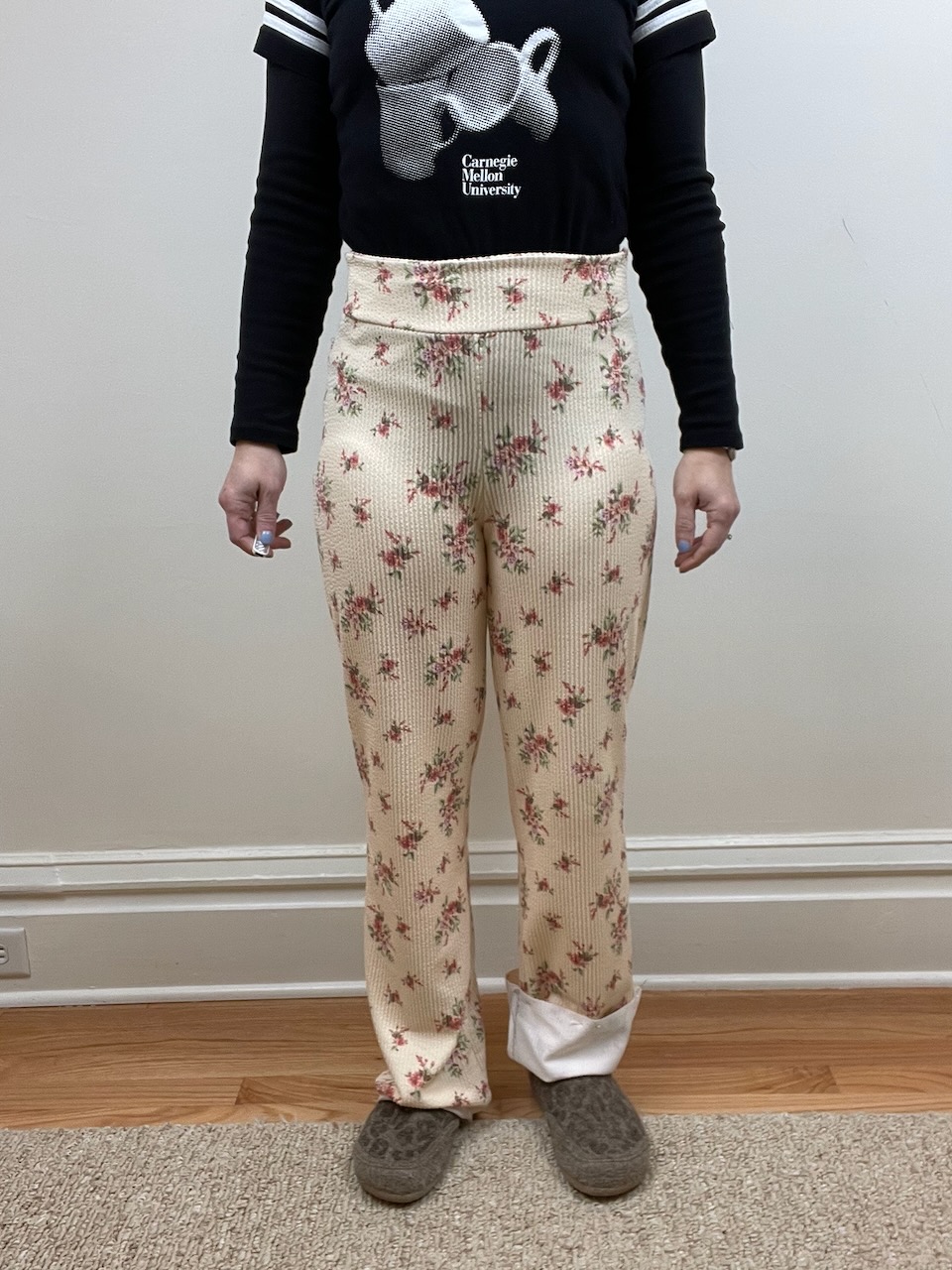
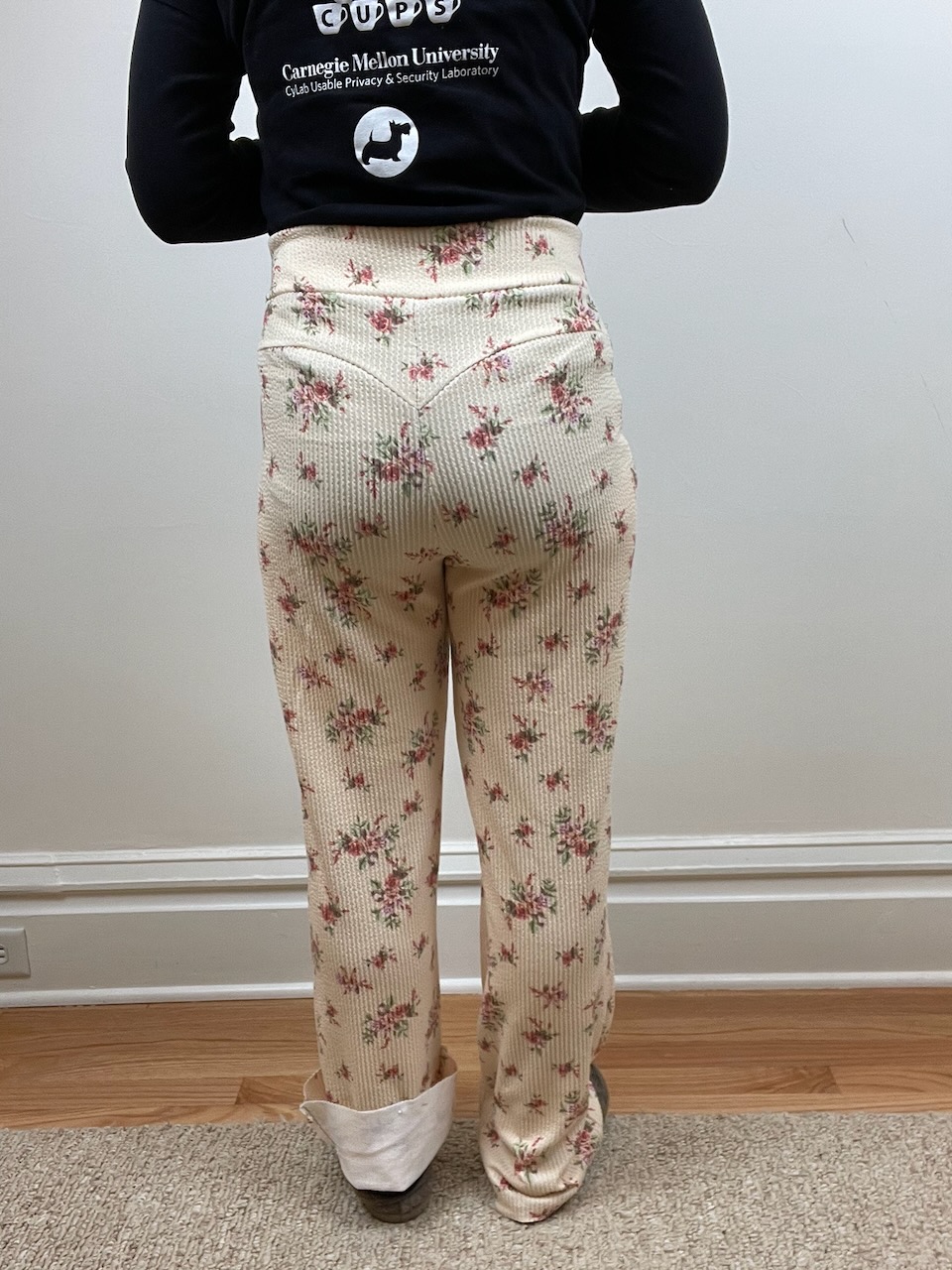
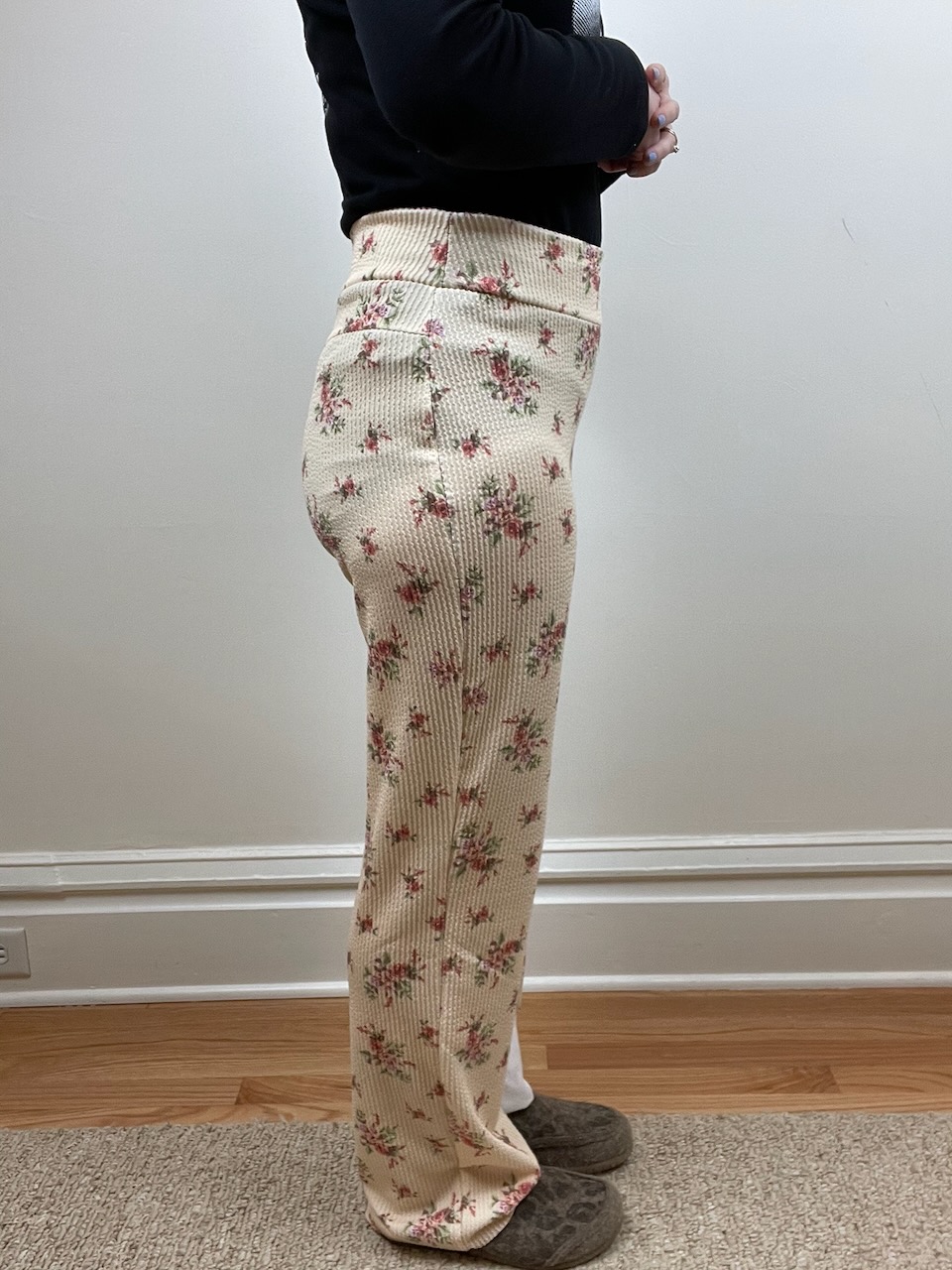
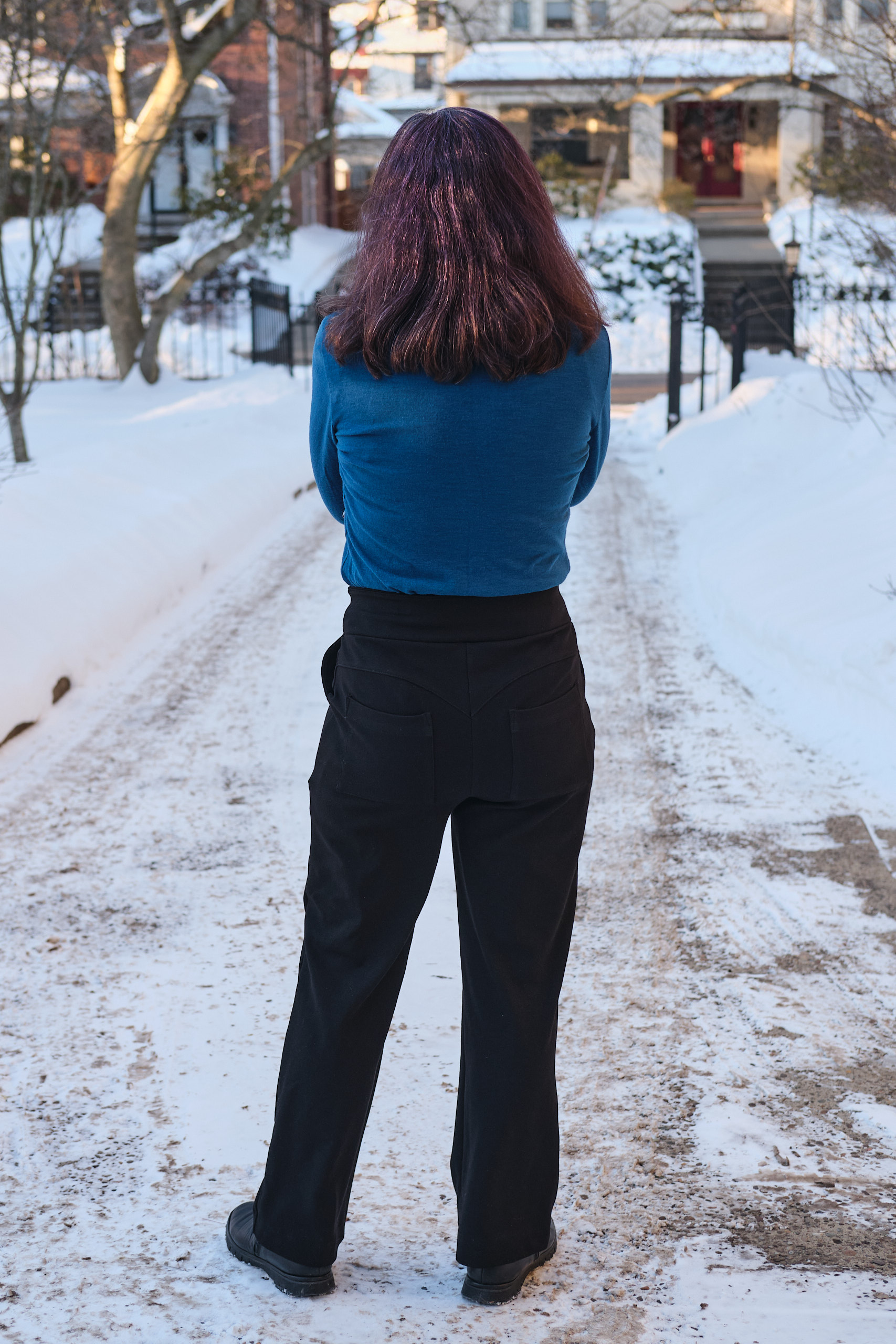
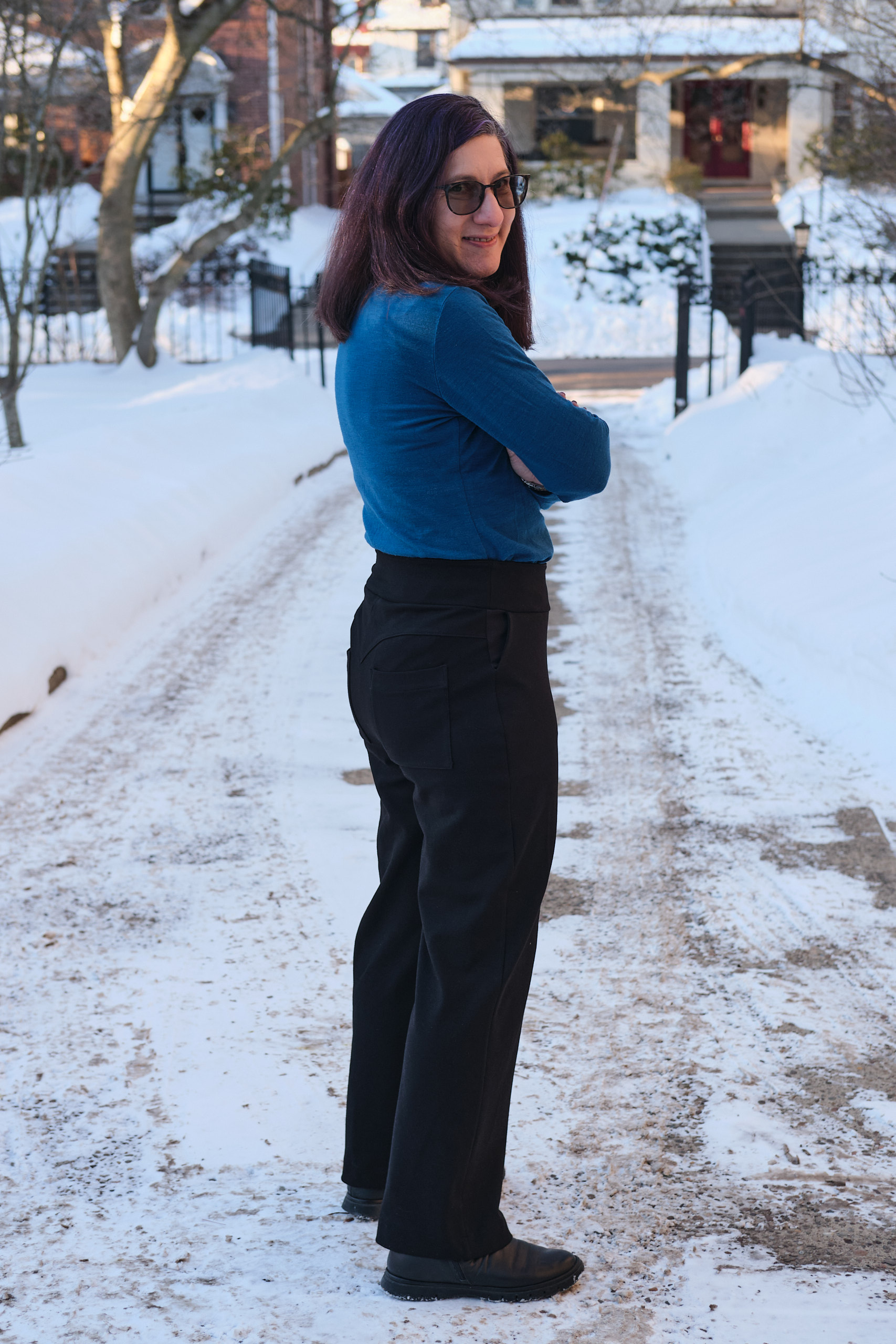
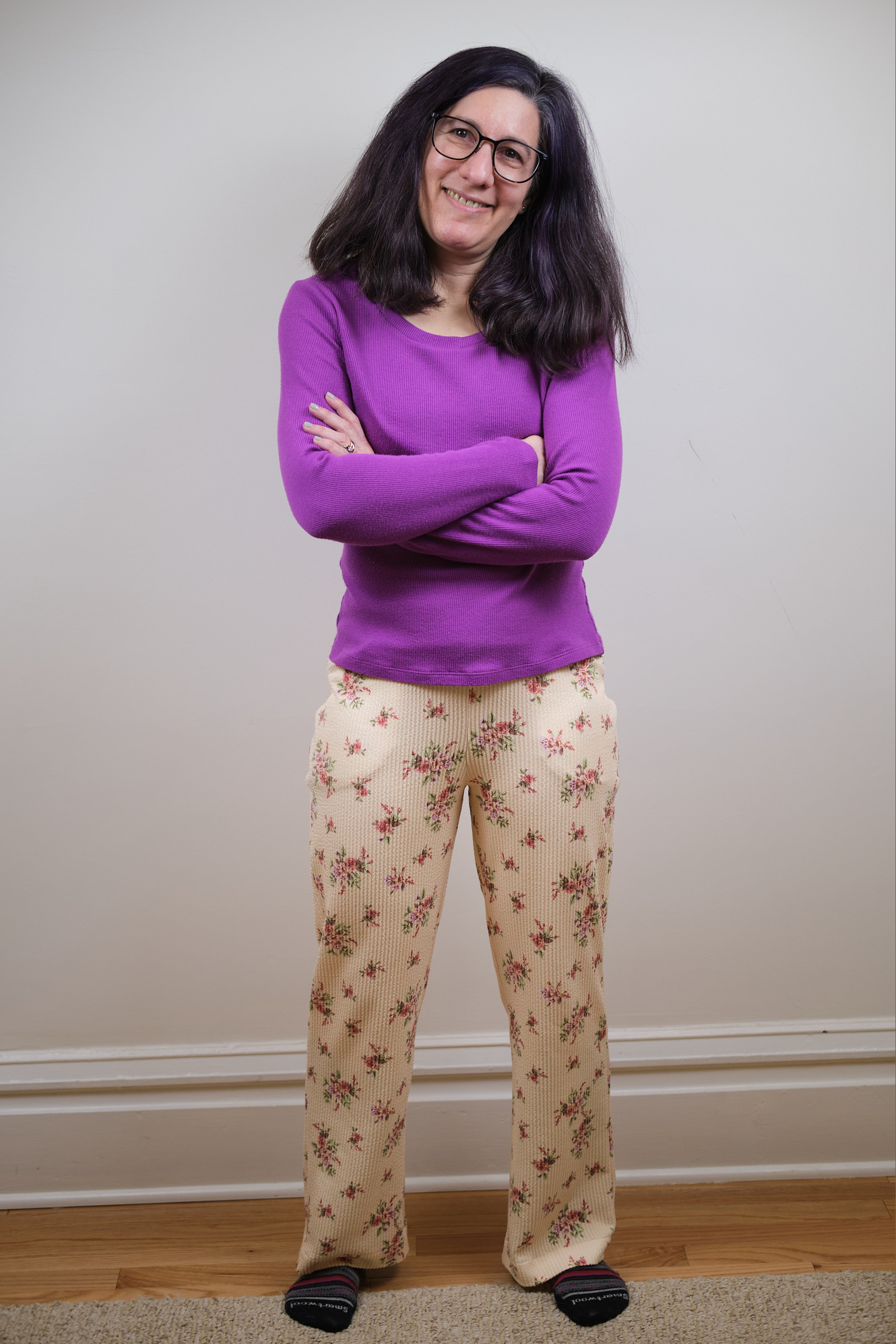
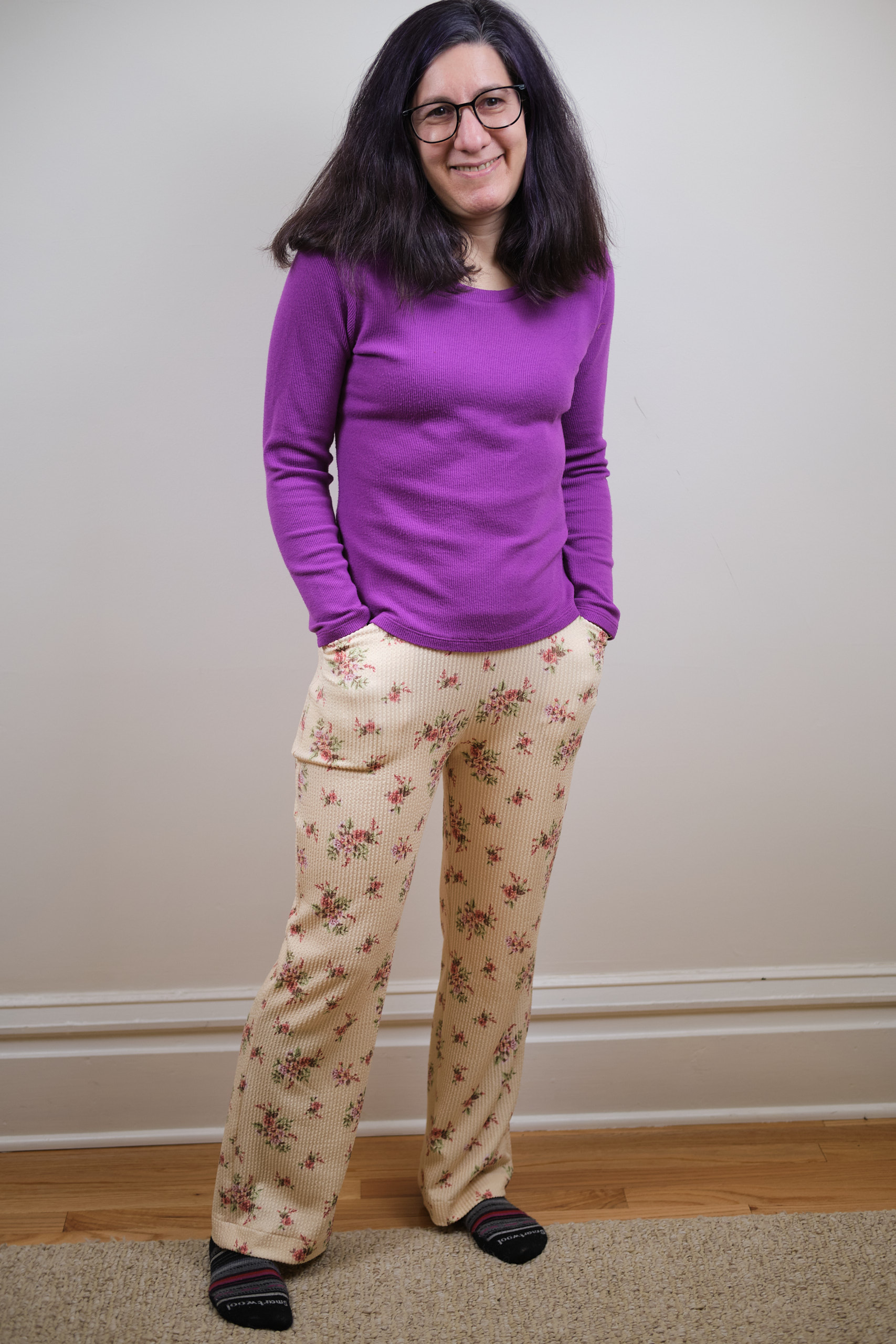
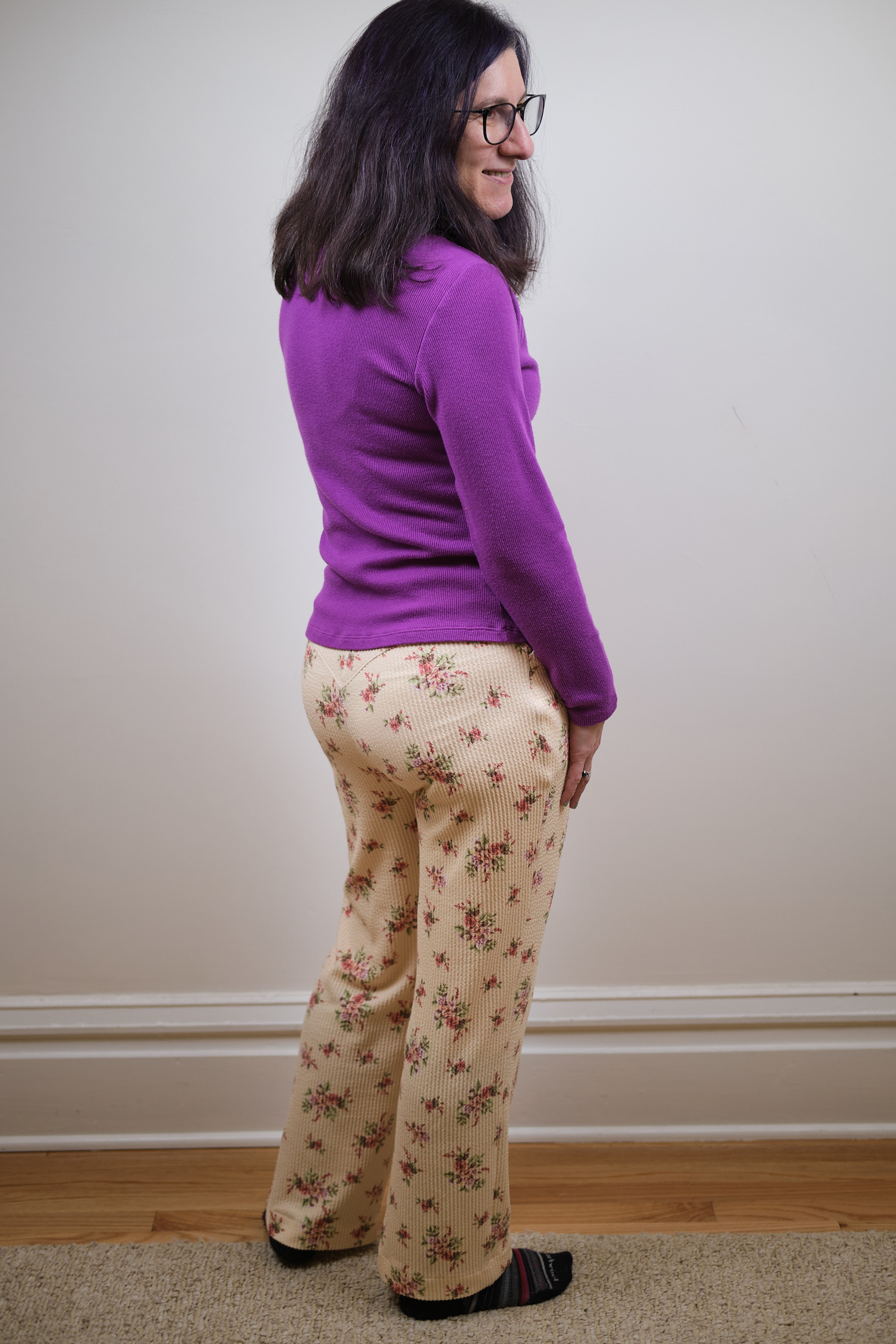
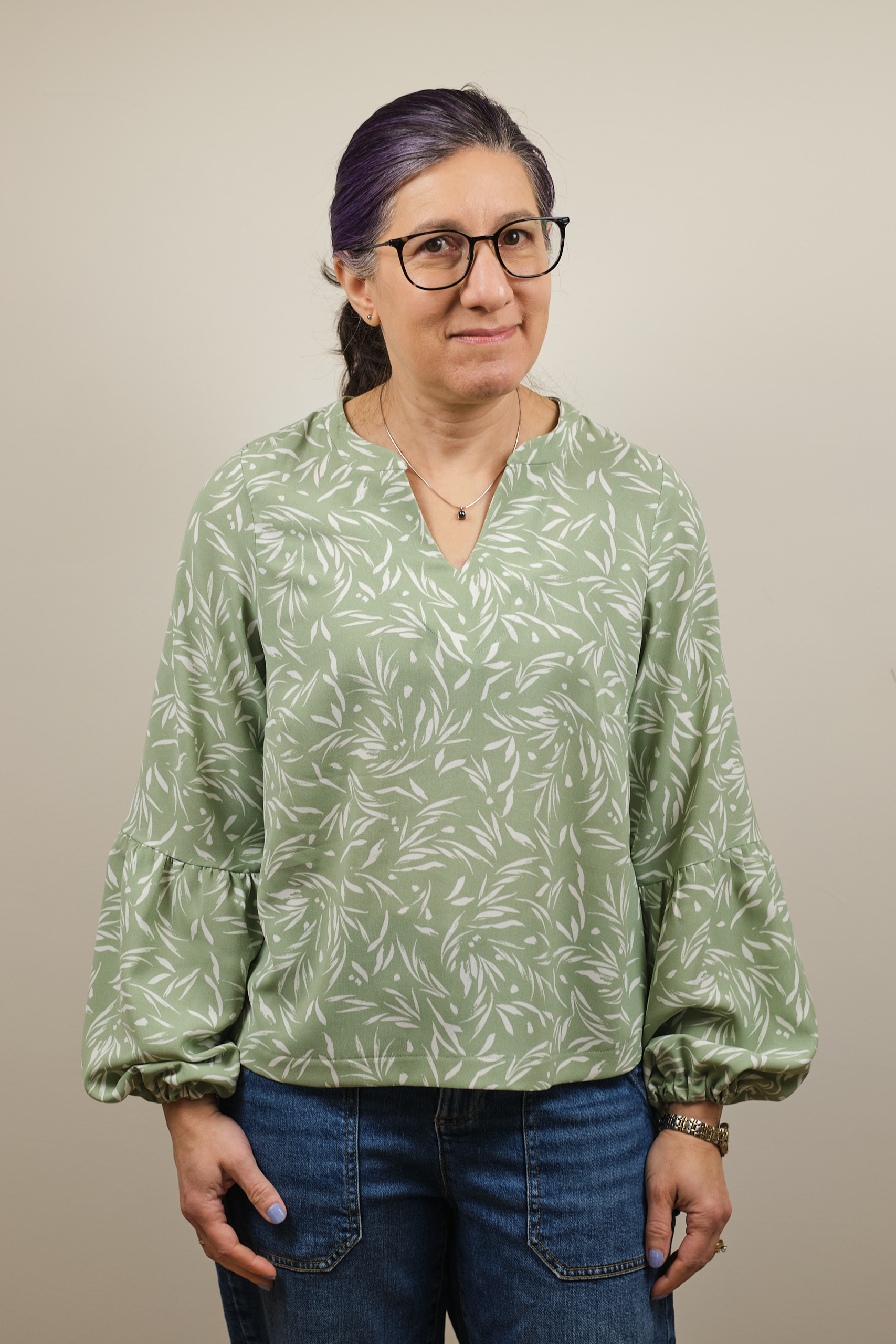
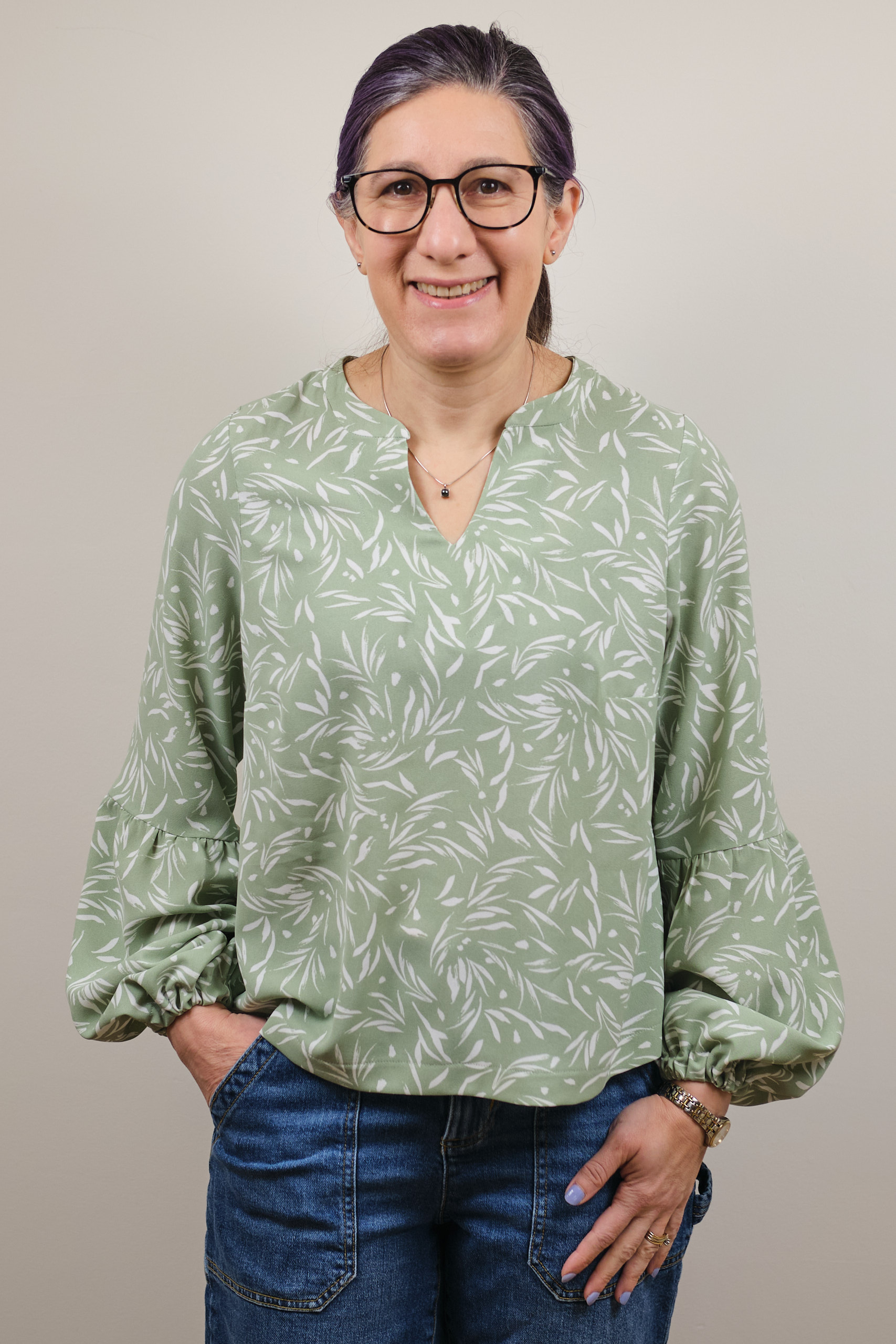
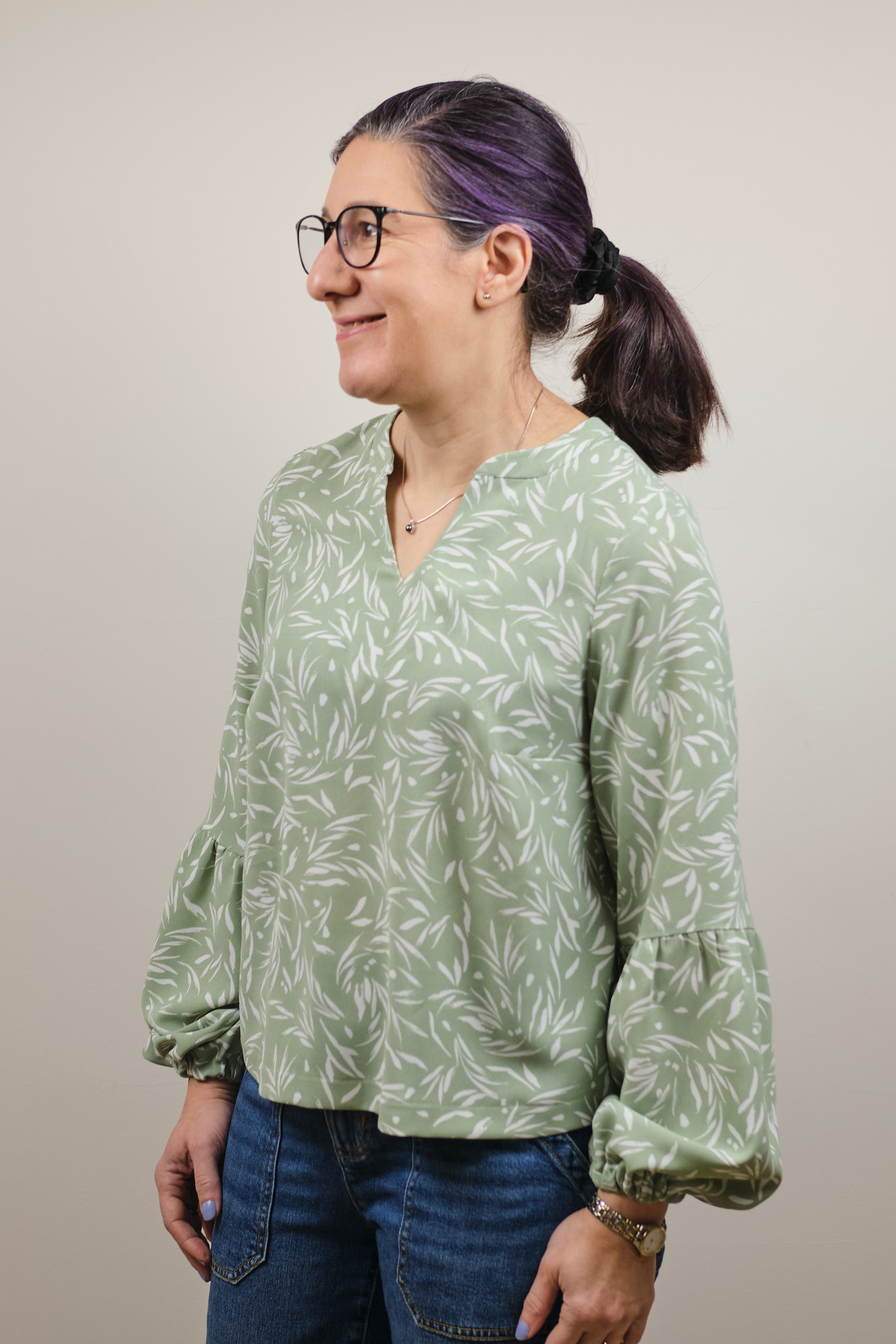
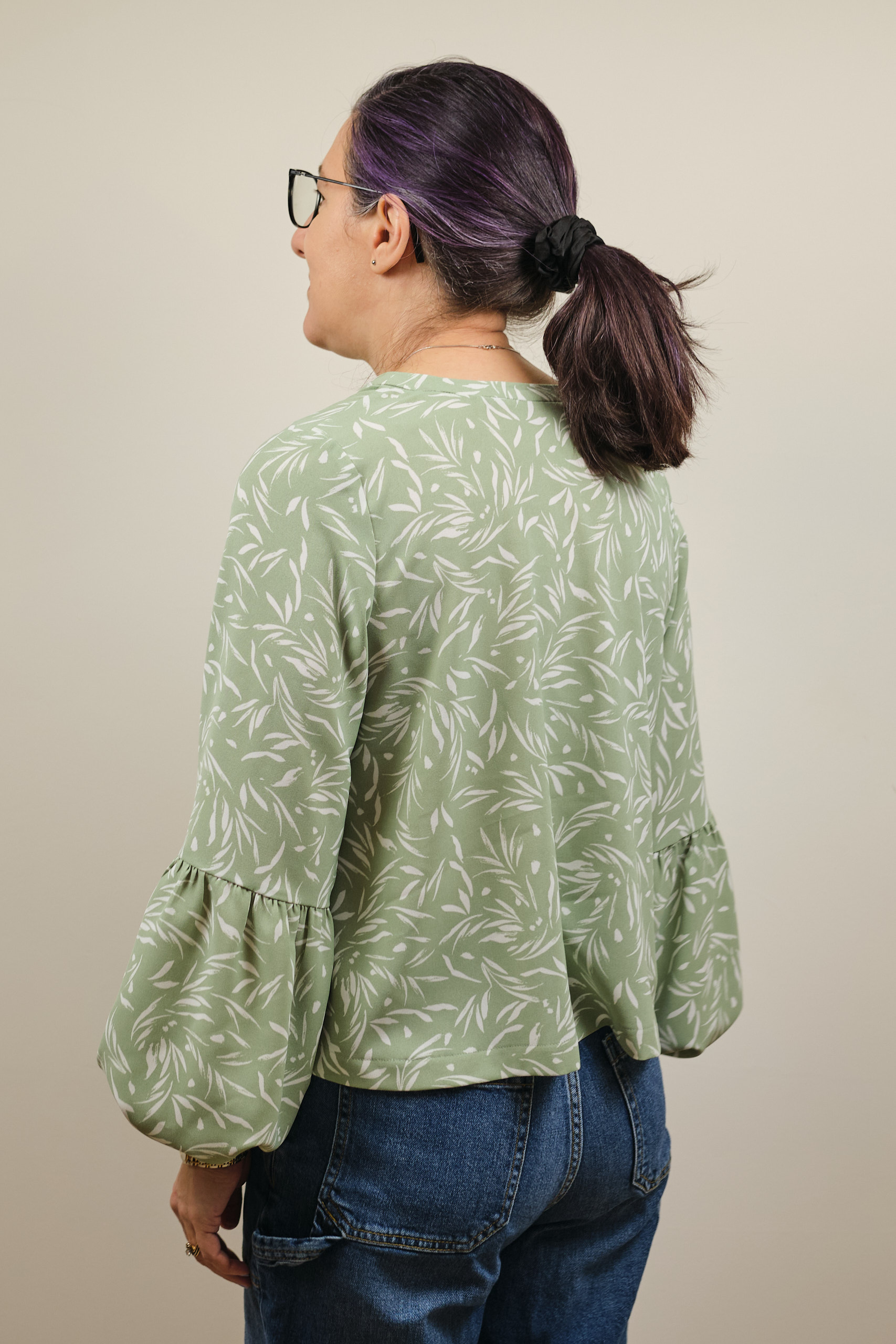
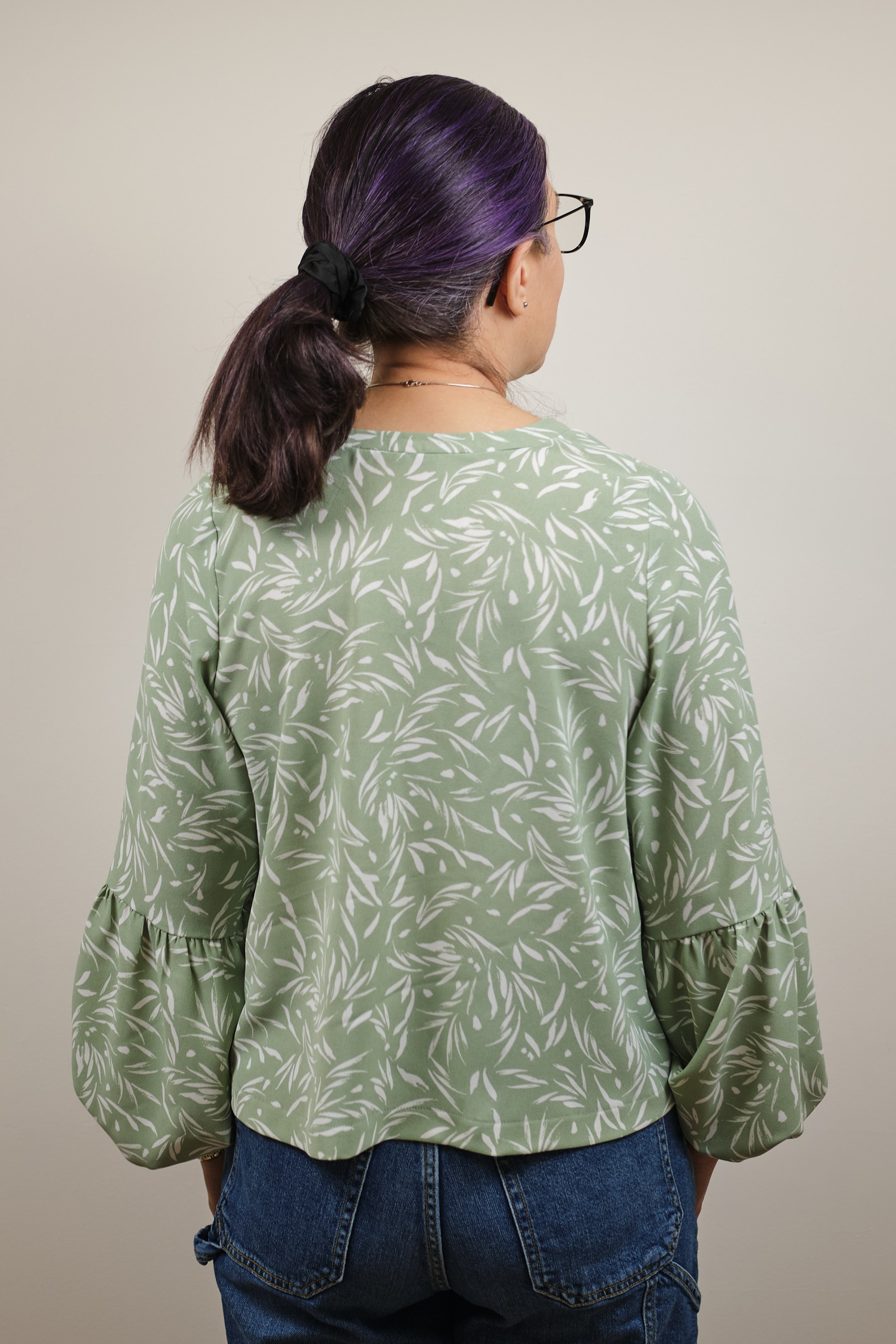
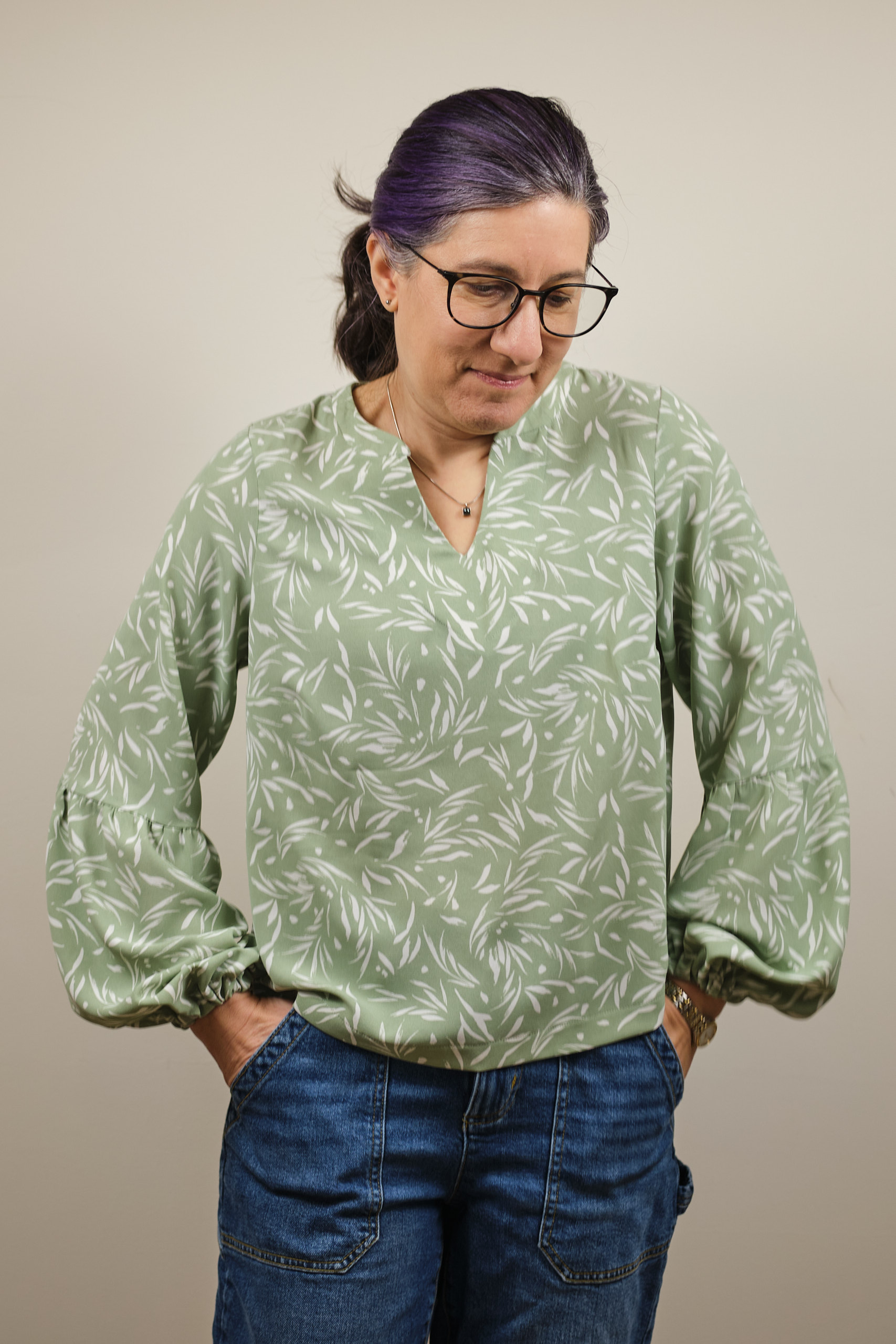
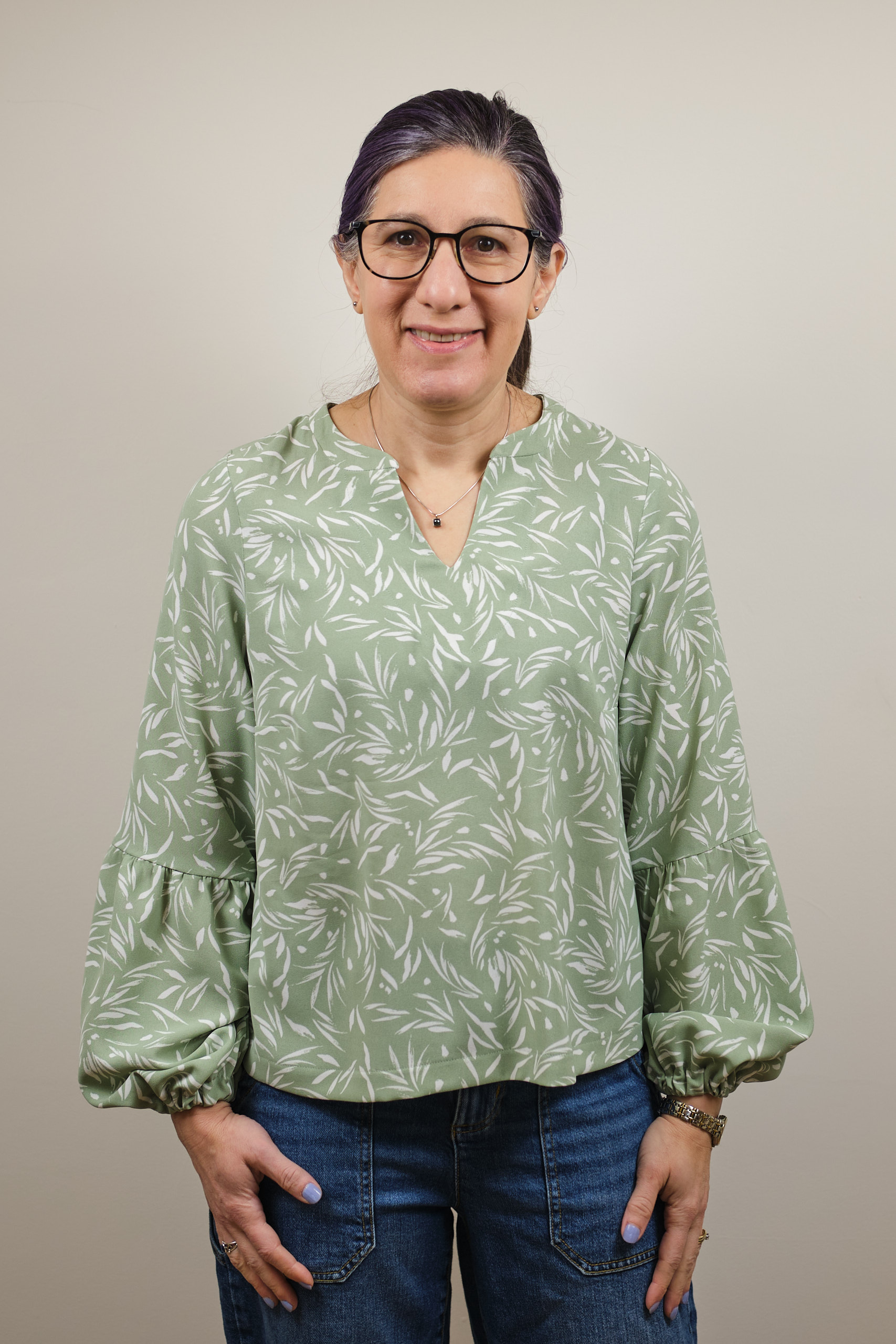
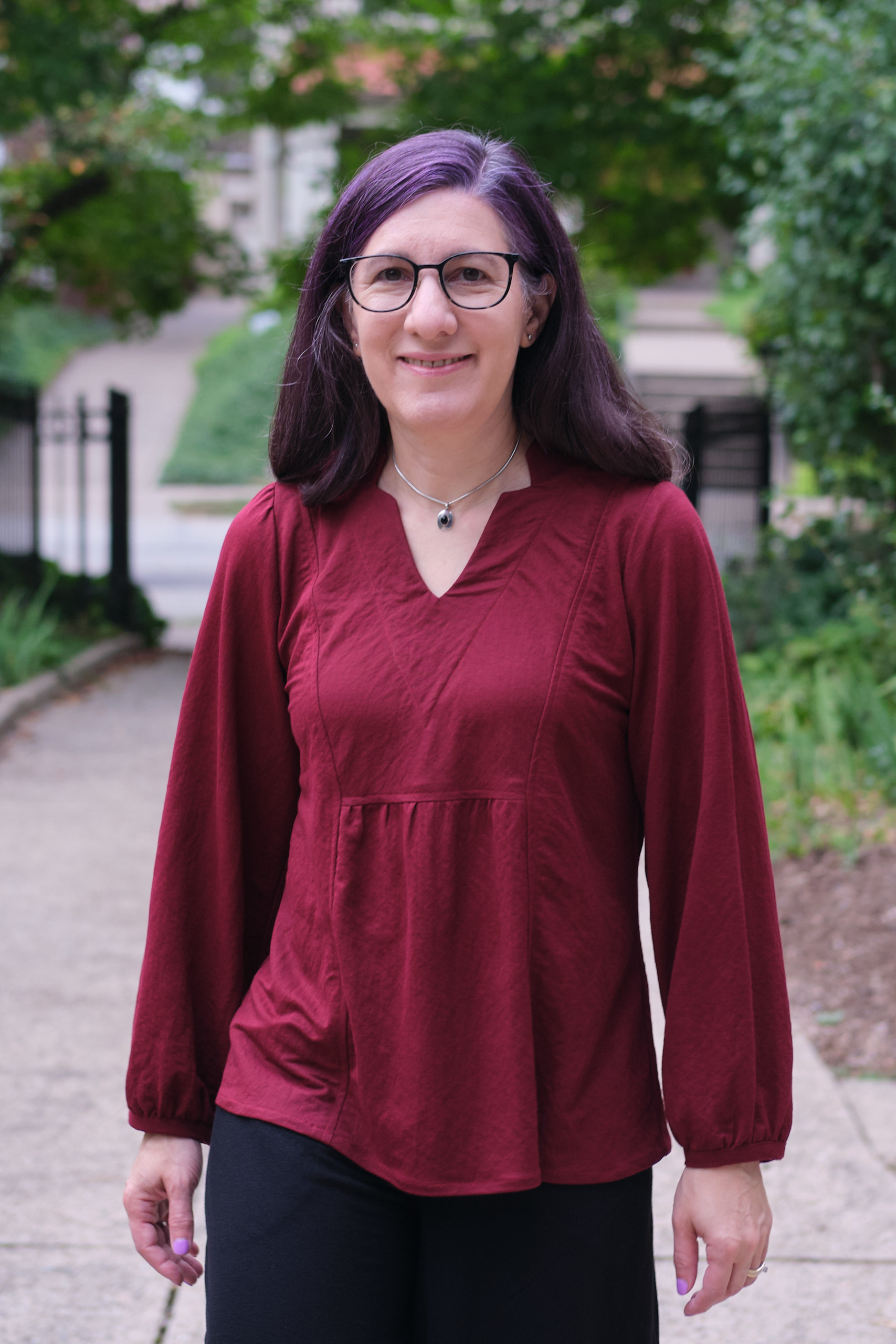
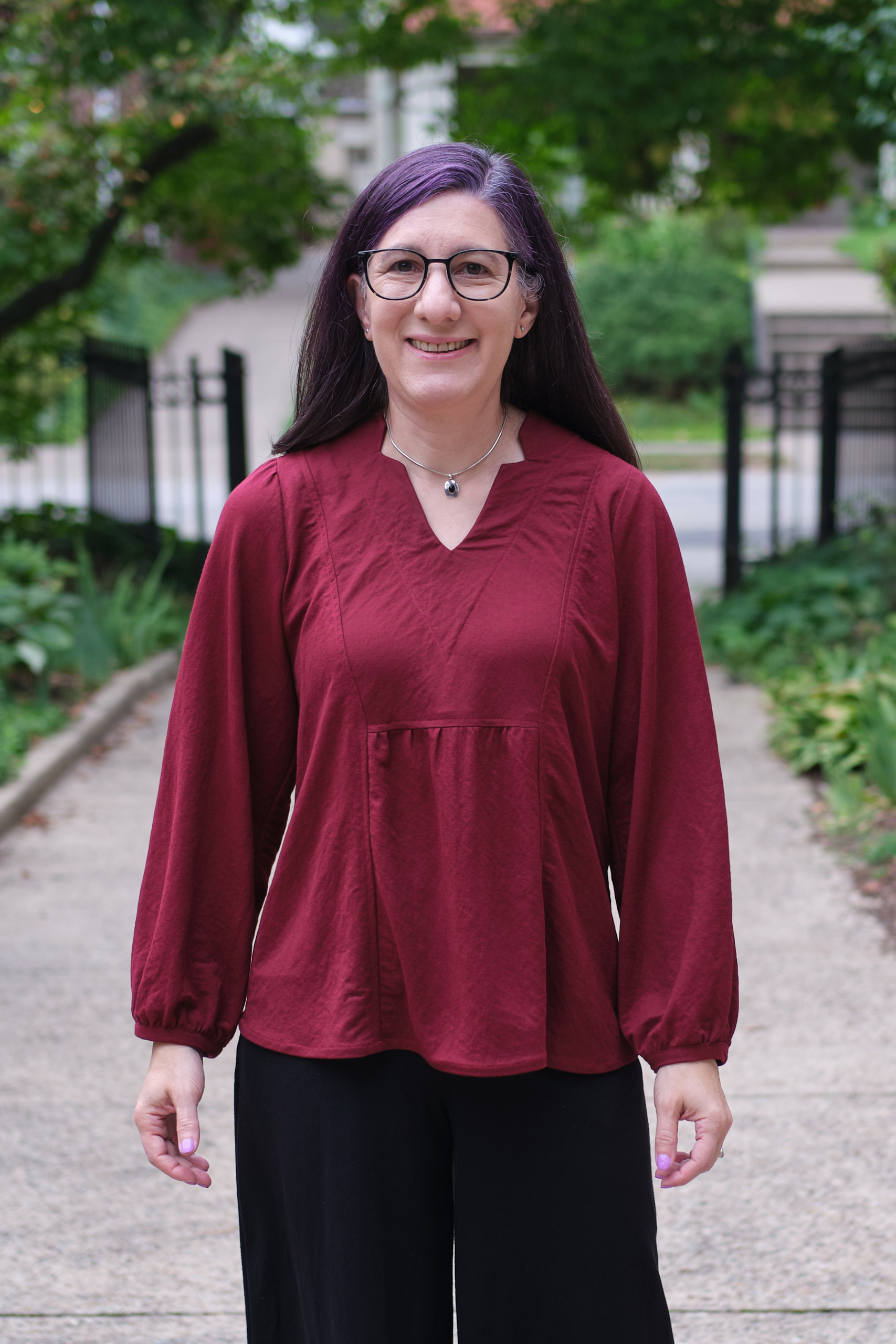
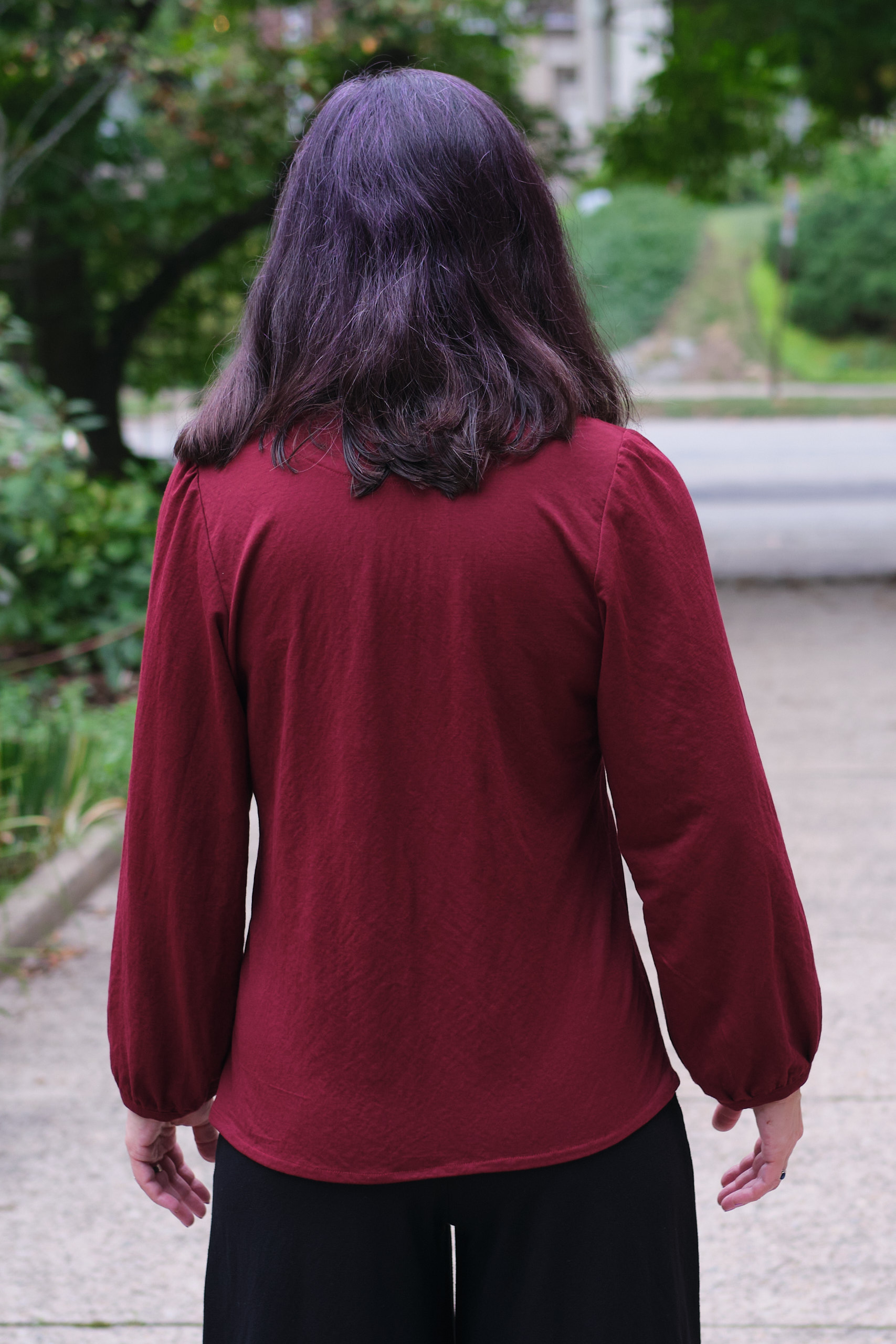
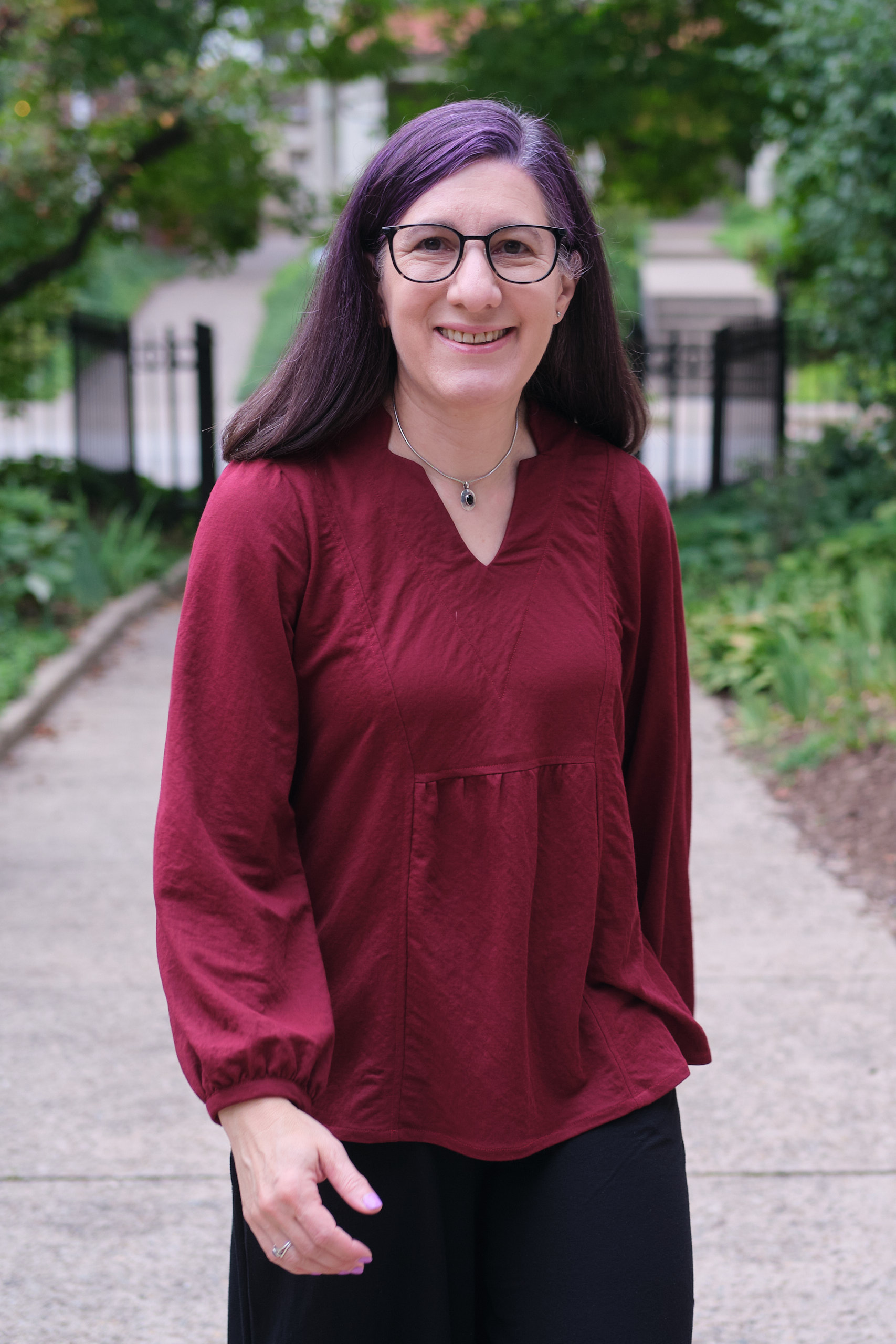
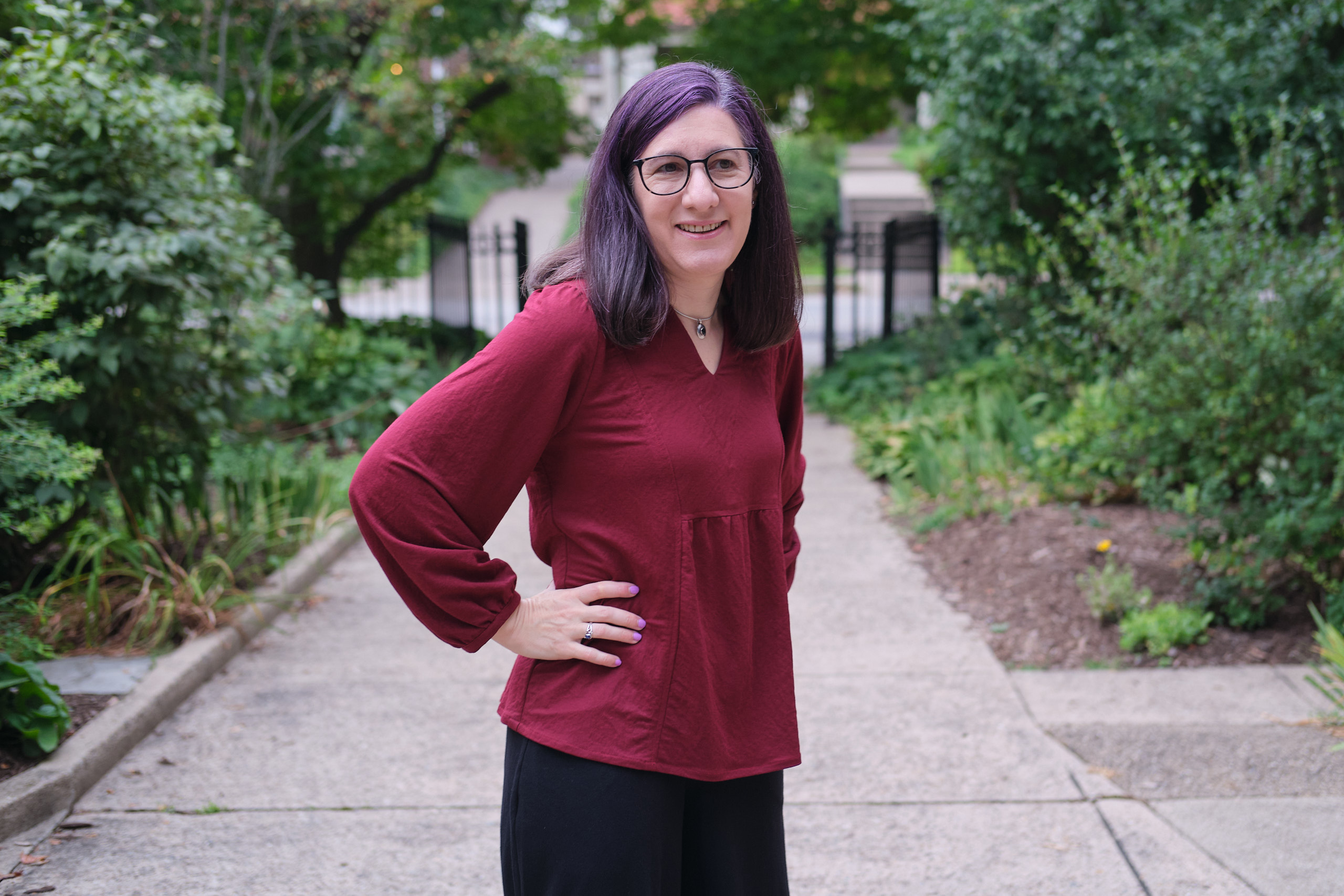
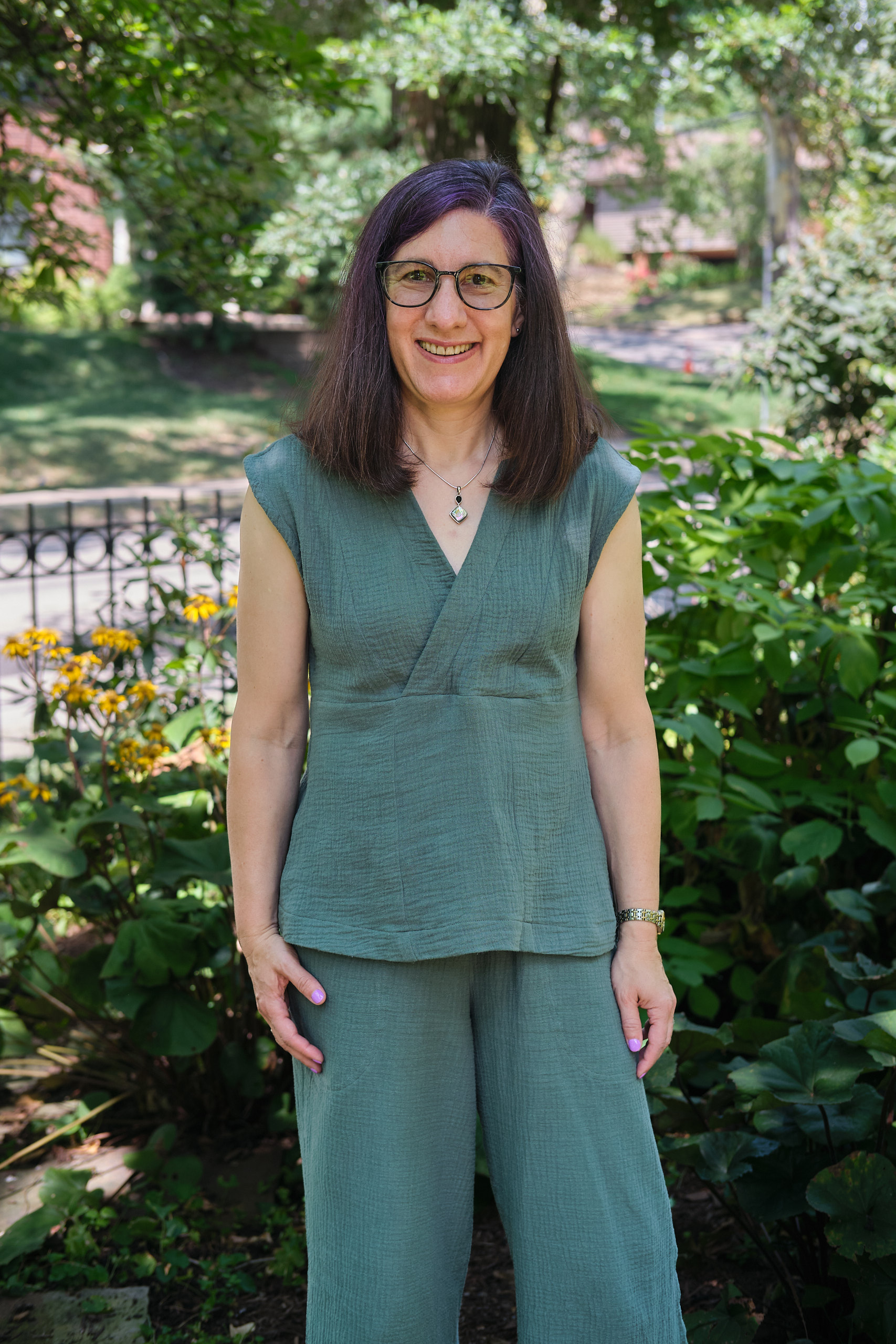
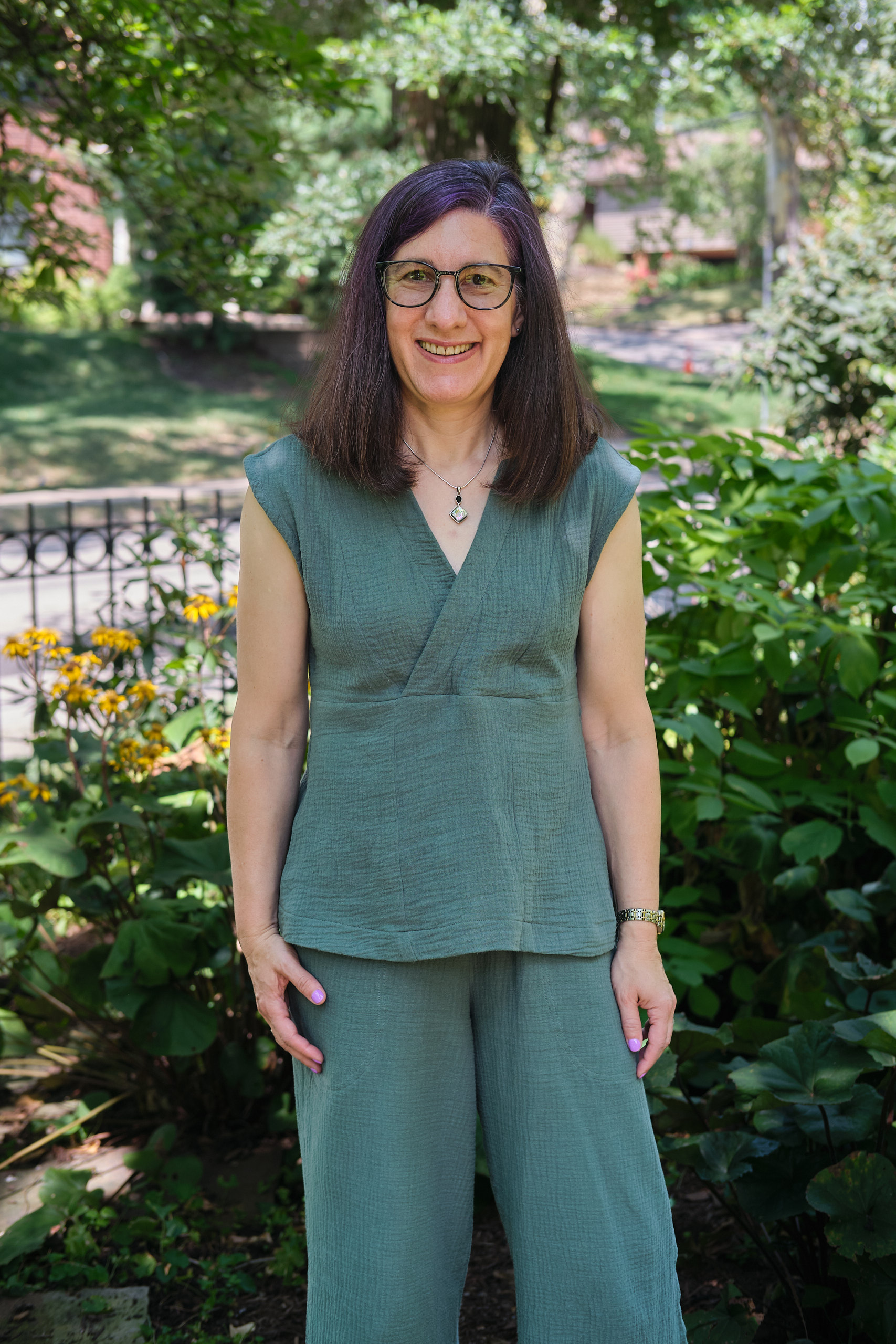
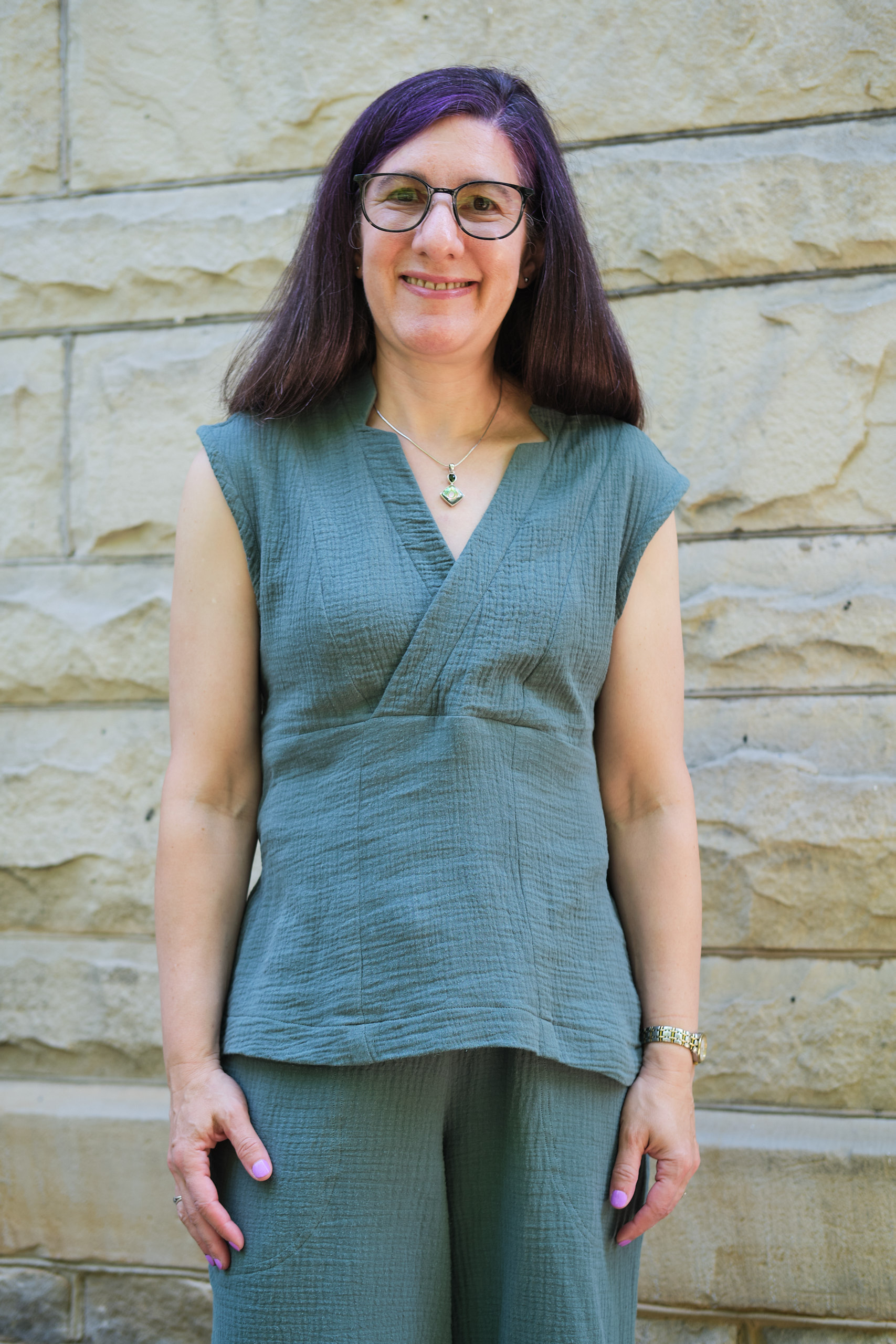
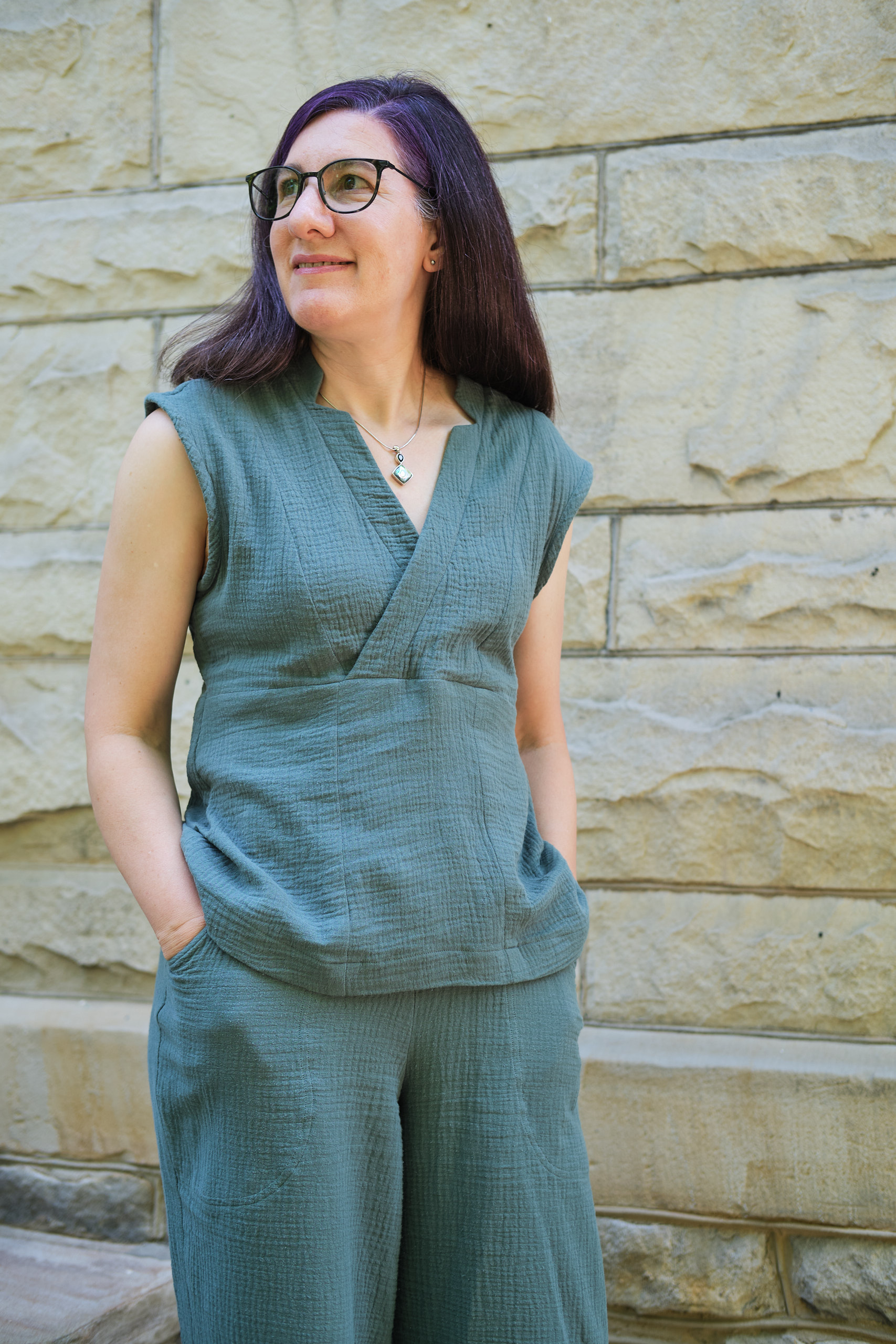
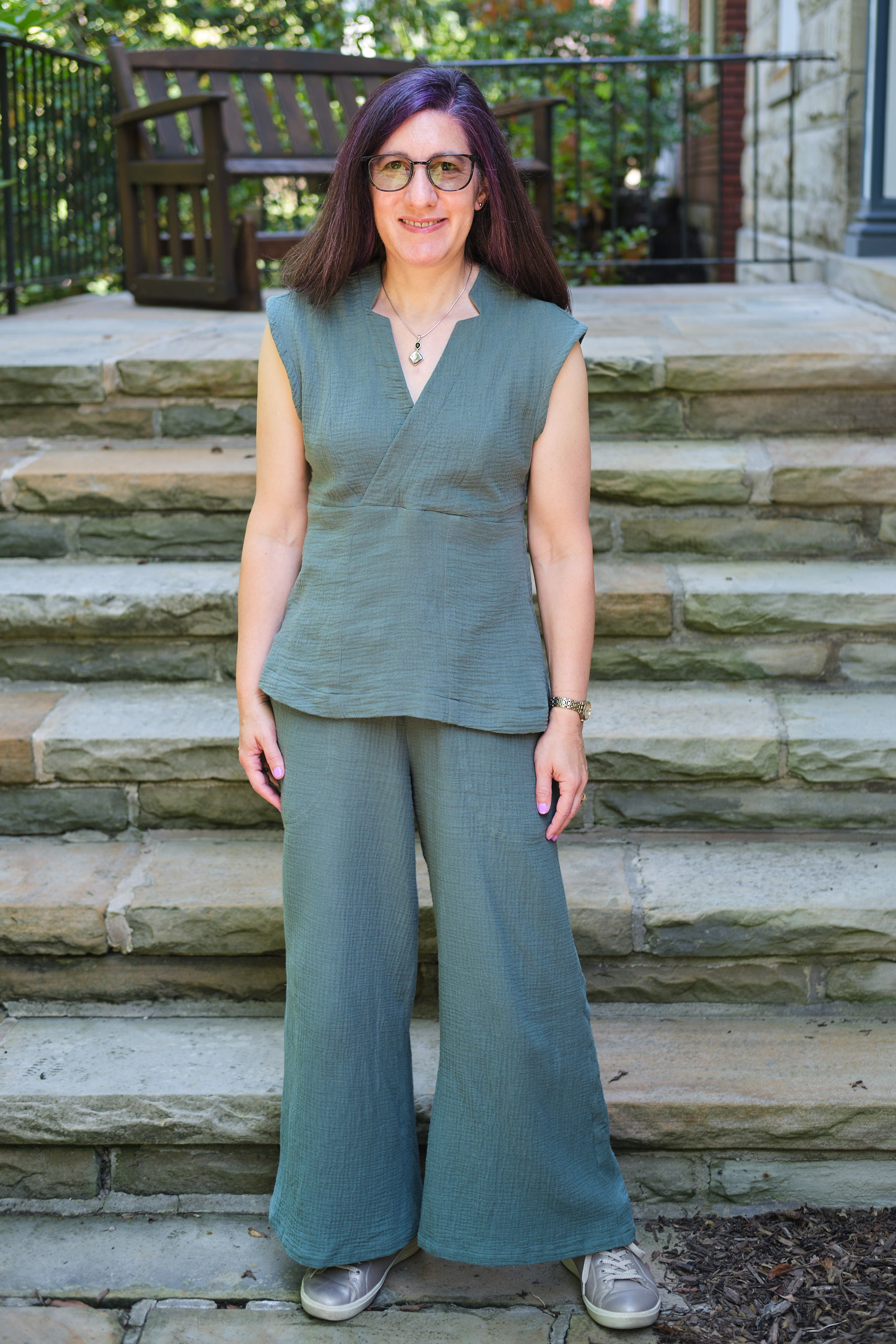
Sinclair Cassie V neckline top and dress for woven fabrics made of 1.5 yards of 58” wide burgundy PyLos LiKnit, size 4p, long sleeves shortened by 2 inches.

I tested Cassie V1 but was traveling when the V2 pattern released and didn’t get back until after the testing period was over. So here’s my V2, better late than never.

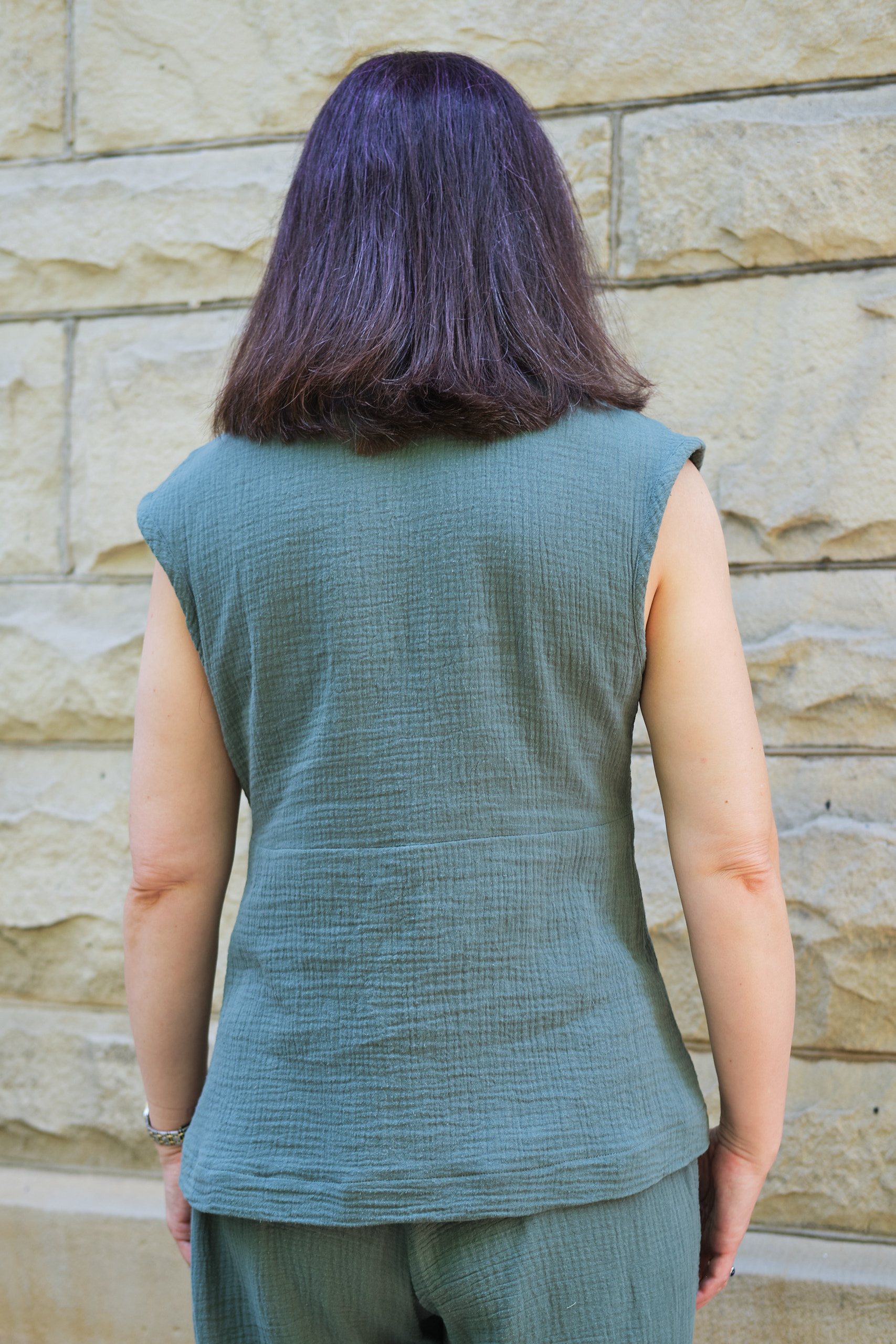
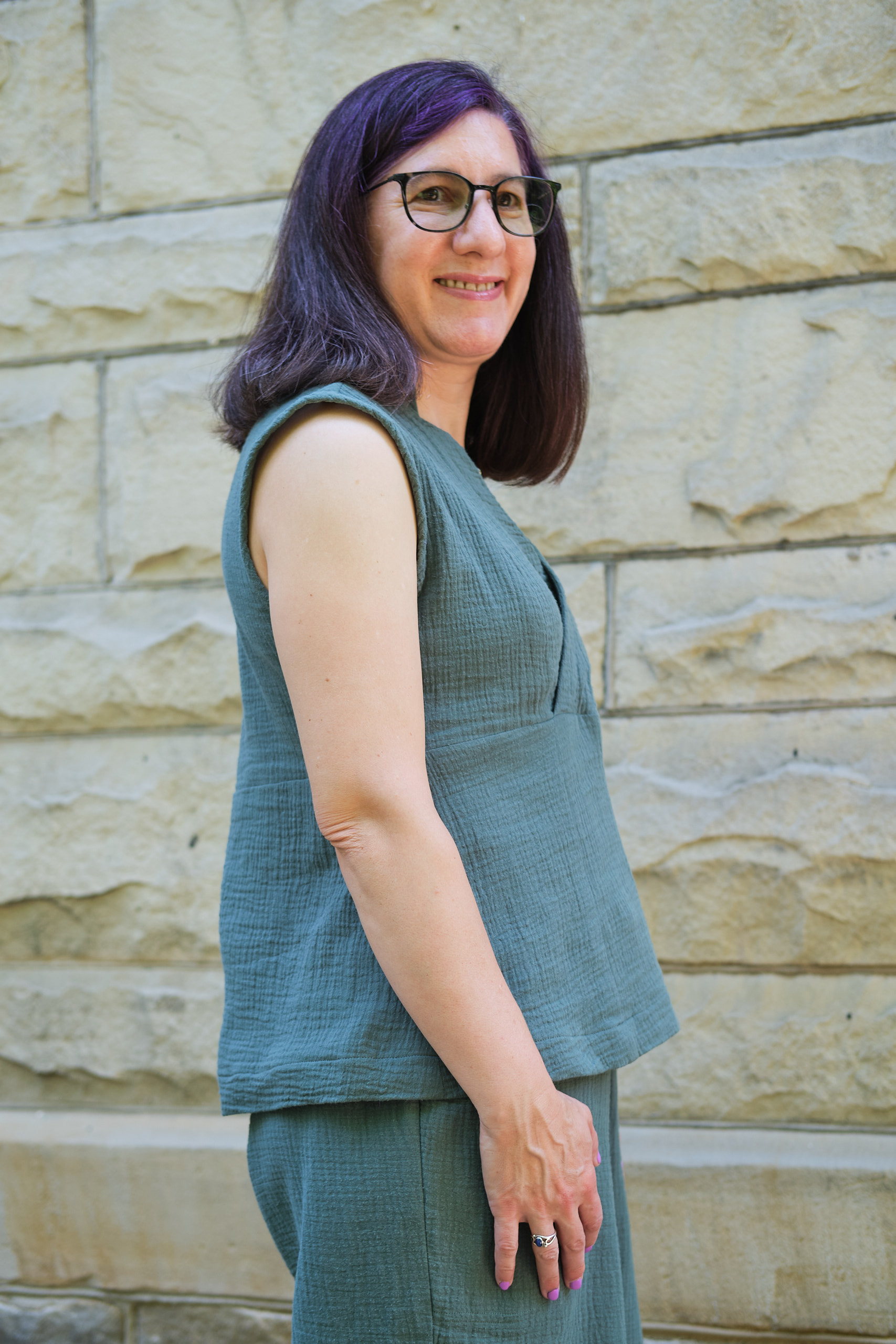
Cassie is a v-neck pattern for woven fabrics. In the original V1 pattern the neckline crossed over, but too many sewists complained about gaping, so the final V2 was switched to a v-neck without the crossover, but including a pair of cute notches. I decided to try the pattern in PyLos LiKnit, a stable knit fabric made from 55% Rayon/45% Nylon. It has about 25% stretch horizontally, but minimal vertical stretch. I treated it as a woven when I sewed. I think it behaved pretty well for this pattern, although it has a little bit more thickness than a woven and it stretches a bit, so it made it harder to get sharp points in the notches and a crisp V. However, the stretch also made the top more comfortable to wear and easier to get on and off.

I cut out a 4p AB cup top with long sleeves and made no pattern modifications. I top stitched all the optional places where it was suggested. My original attempt at sewing down the neck binding was a bit off and caused the v-neck to be uncentered. Fortunately it was pretty easy to unpick and resew (although looking at the finished product now I realize it still isn’t perfectly centered… oh well).

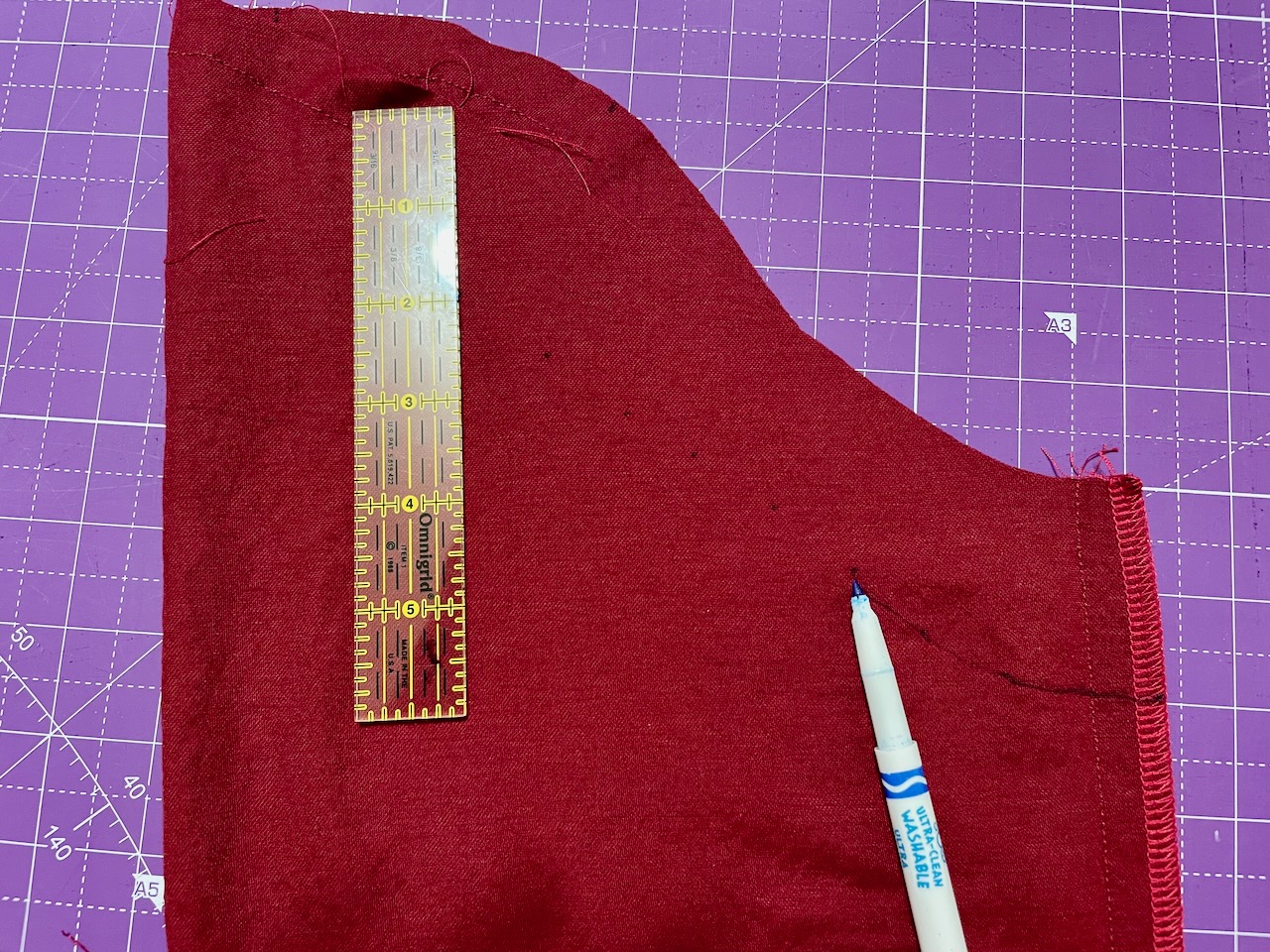
After I sewed the first sleeve on I tried it on and was disappointed to see the sleeve hanging well past my wrist. I’m used to sleeves that are too long on me, but was surprised the sleeve was too long on a petite pattern. Since this sleeve is gathered and the band added before you sew it to the garment, there is no opportunity to check the sleeve length before it is finished. I went back and looked at photos posted by other sewists and noticed that most opted for the 3/4 length rather than the long sleeve. It looks to me like the long sleeves in this pattern just run long. The sleeve bands took a while to construct and I didn’t want to take them apart. So instead I unpicked the sleeve head and cut two inches off the top of the sleeve head. I was able to mark my cutting line by using a ruler to draw dots every inch or so two inches from the top edge of the sleeve. Then I connected the dots. I cut along the line and reattached the sleeves. This time it worked much better. (Warning for other sewists, unless you have particularly long arms, if you sew the long-sleeve version you will likely need to shorten the sleeves!)

Overall, I’m happy with this top. This is not a style I normally wear, and it may be more difficult to layer than my typical long-sleeve tshirts. But it goes well with both wide and skinny jeans as well as black dress pants, and it should not require ironing. I really like this long-sleeve version (now that I shortened the sleeves) but I also like the sleeveless and 3/4 length versions other sewists made.

There’s also a nice video on this pattern from Lifting Pins and Needles.

Cassie V1

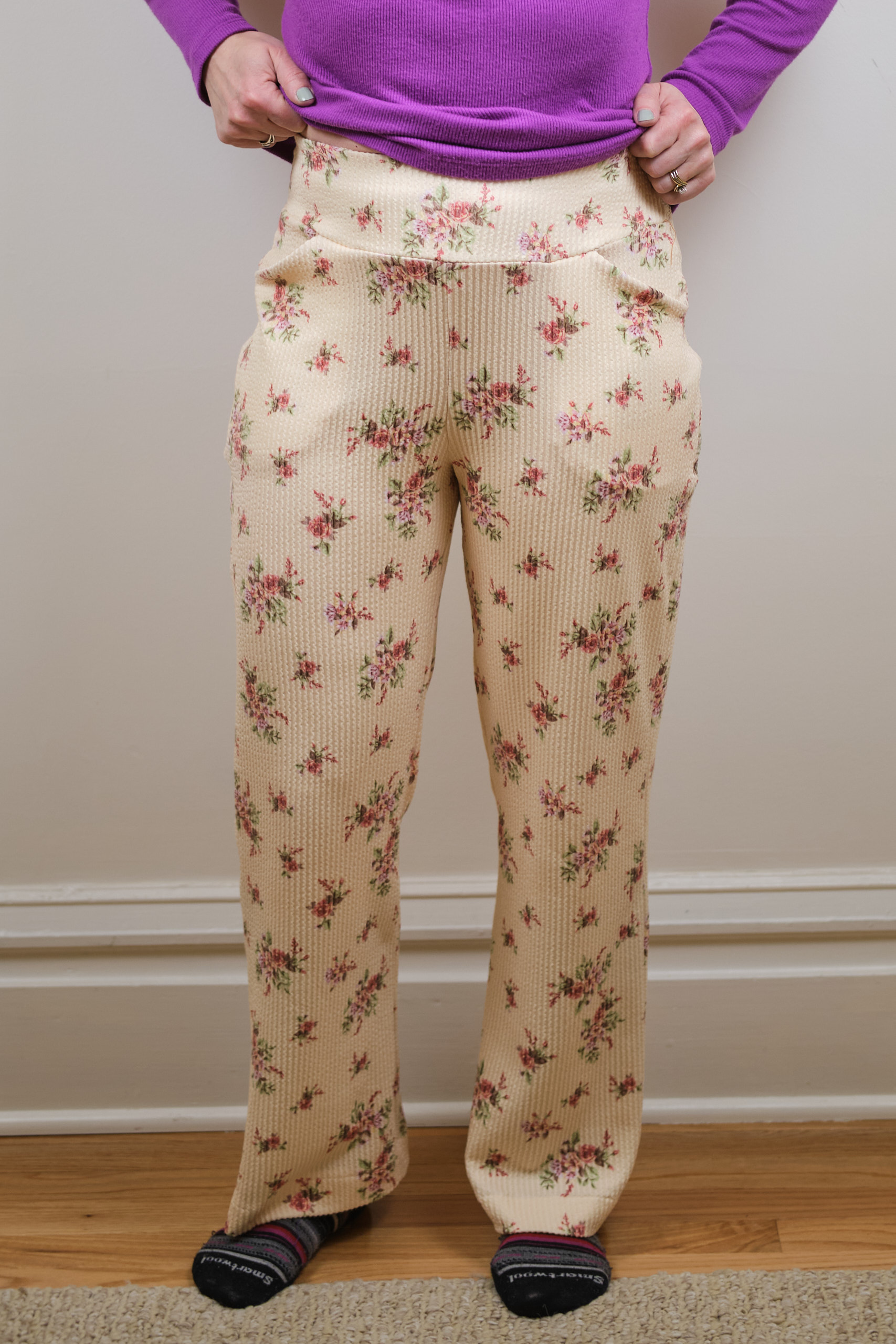
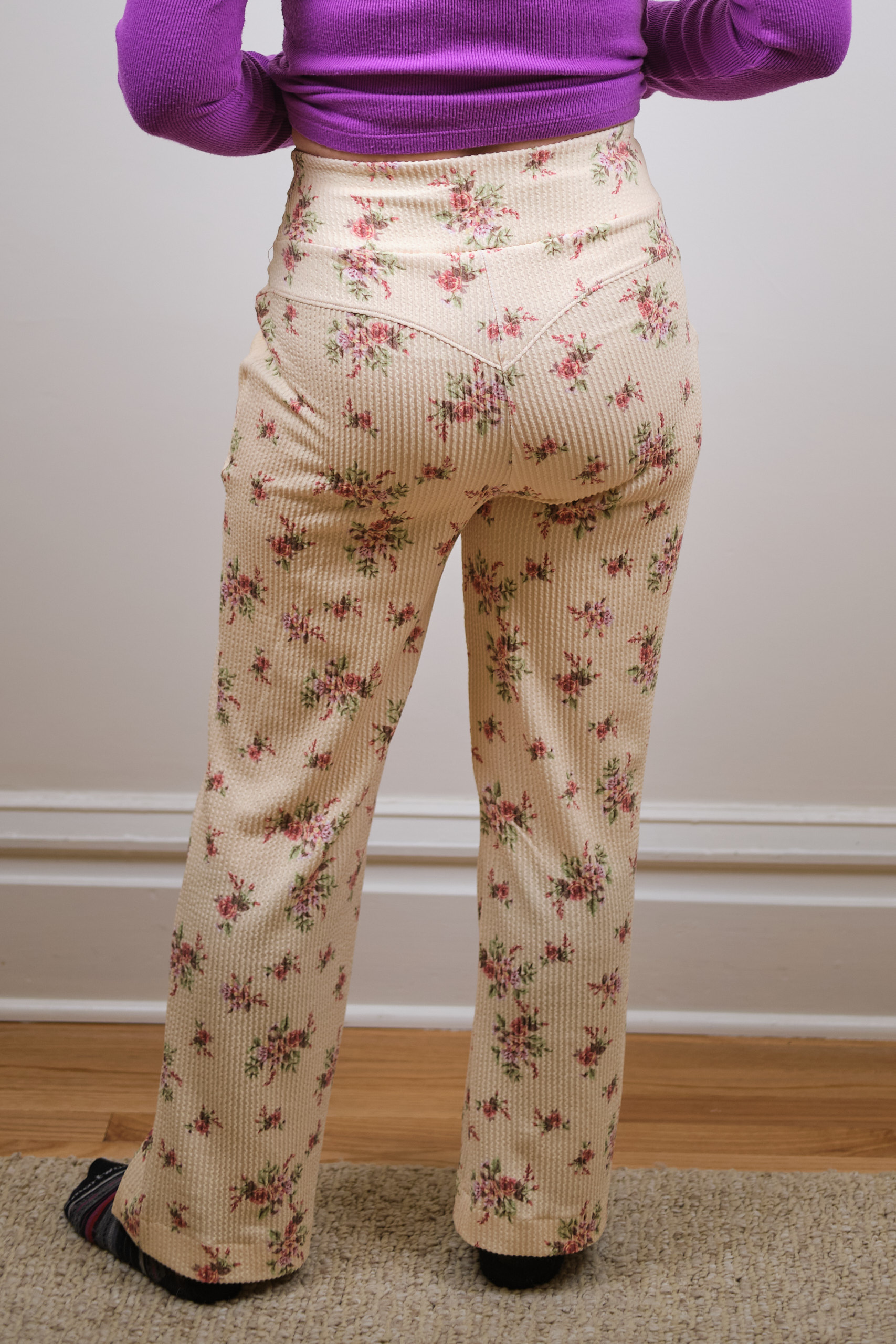
Sinclair Cassie V1 made of 43” of 52” wide dark sage cotton double gauze, size 4p, modified to remove gathers and wrap sleeve bindings.

My first time doing a pattern test for Sinclair I ended up being the pattern cover girl for the Linda pattern. I haven’t had time to sign up for a pattern test since, but when the Cassie top and dress was announced, it appeared I would have time to make it before heading out on a trip. 

Cassie is a woven pattern, and I don’t have a lot of woven fabric in my stash besides the 18 yards of cotton double gauze I bought on clearance last year and a lot of quilting cotton. I was worried that the quilting cotton would be too stiff for this pattern, so I went with dark sage double gauze. But I waited for other sewists to post some initial photos of their makes before cutting. I wasn’t sure I would like the fit of the dress, which appeared to be fairly loose, so I made the top version in a size 4P.

I initially tetrised the pattern in Affinity Designer to fit in 1 yard of 58” fabric before realizing that my fabric was actually 52”. At that width it takes more than a yard of fabric, but i made it all fit in 43″.

The pattern was released for testing with only partial instructions, as the pattern designer made some last minute changes. She updated the instructions a couple of times to add the missing information, but never released the full instruction set. As I worked on my top, I periodically checked the Facebook group for the pattern test to see whether new updates had been released.

The top has a crossover V-neck with cute notches. I wasn’t sure from the line drawing that I would like the notches and was tempted to leave them out. But I’m glad I kept them as they are a really nice and unique detail. The instructions for facing the crossover pieces was pretty easy to follow. The double gauze was a bit of a challenge because it is fairly fluffy and thus hard to get nice sharp points, but I made it work. I regretted trimming the facing to 1/8 inch (as instructed), as it made understitching the gauze more difficult — next time I think I would clip the curve but not trim.

Other sewists complained that the V-neck gaps open — this seemed to be a big problem for larger sizes. Besides the gaping problem, people were complaining that the top was too loose, and some who tried adding the optional ties did not like the look. In addition, there were some complaints about the cap sleeve being too pointy. I suggested that the pattern designer offer a sleeveless option to address the cap sleeve problem, a suggestion she adopted. The pattern designer polled testers about some possible changes and a couple days later posted some new line drawings while she worked on revising the pattern.

I could see from the new drawing that I would need to start over to make the revised design. So I decided to go ahead and finish the top I had started in the mean time. I sewed on the “skirt” and was not happy with the look of the gathered front and back, which looked to me like a maternity top. So I took it apart and cut the gathered pieces down so they would fit  in place without gathering. I also graded in the waist a bit and trimmed the point off the cap sleeves. 

As the top stitching on the neck facing stands out in the double gauze I decided to mirror the look by making a hem of similar width. I serged the bottom of the top, folded it up .25 inch and then another 1.25 inch, and top stitched it from the front.

The last bit to figure out was the sleeve binding. The pattern included narrow bias binding strips, but the instructions did not detail how to attach them. Having done this sort of binding before for double gauze necklines (on my purple Alva top and my orange Meet You There dress) I had a good idea of how to do the binding and I knew it would be difficult with double gauze. Therefore i cut wider bias binding (1.75 inch) and attached it wrapped around the armscye edges.

I finished my Cassie V1 top before leaving town, and even managed to do a photo shoot. It looks great with my matching PE Vacation Vibes pants, but also looks good with other pants and shorts. it was fun to try out a new pattern and be involved in the discussion of what worked well and what needed improvement. I uploaded photos to the Facebook group right before the pattern designer posted the V2 pattern, but making V2 had to wait until I got back into town a week later.

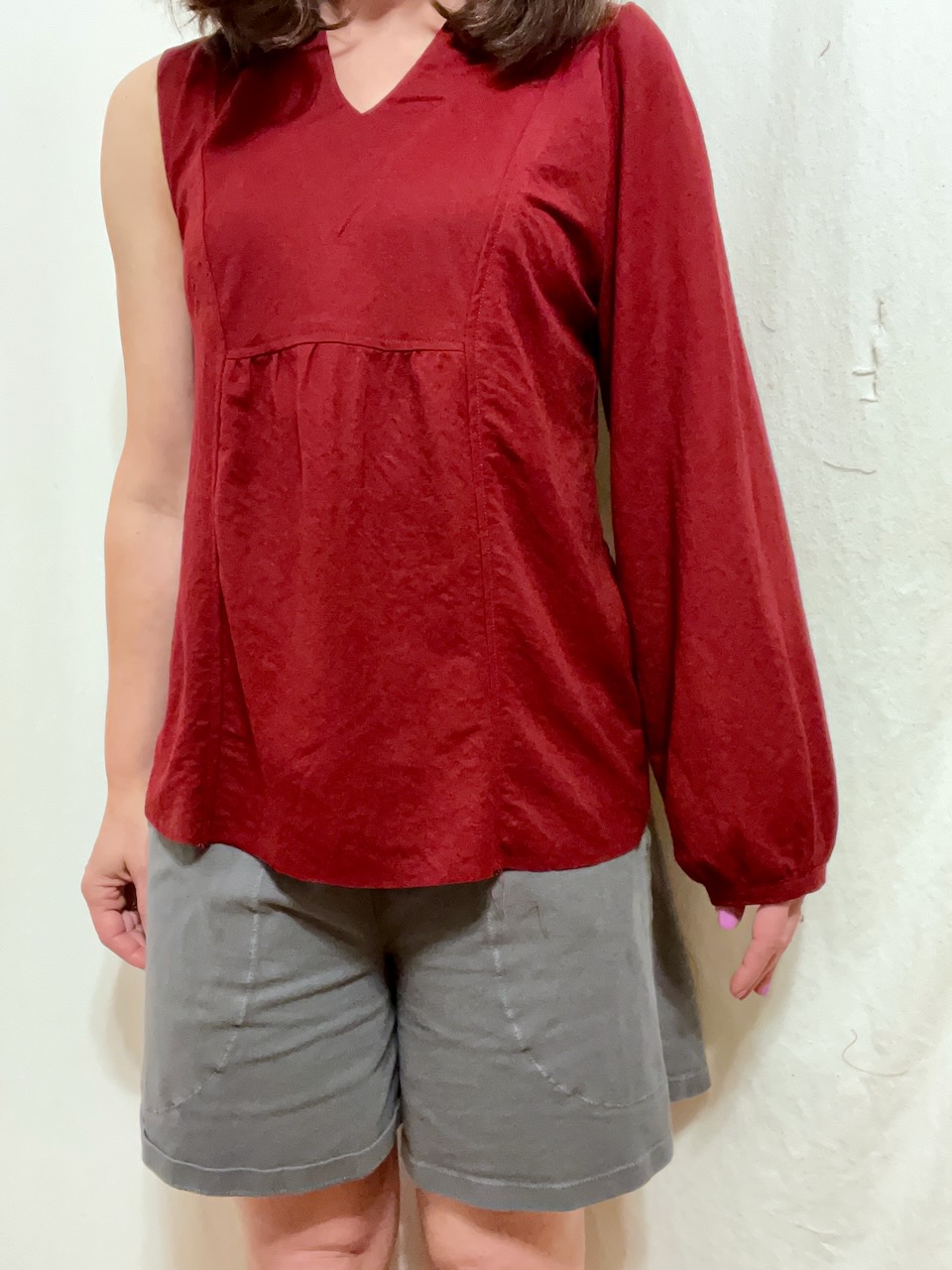
Photos below of my hacked Cassie V1. The final Sinclair Cassie pattern is now available, and as you will see, no longer includes the crossover front or the horizontal seam in the back. But it still has the cute notches on the neckline and now comes with multiple sleeve options. I’ll post the top I created with the final pattern next.

=

Pattern testing the Linda twist neckline top and dress

I love the Sinclair seeing all the things people make and post to the Sinclair patterns Facebook group. It’s exciting when a new pattern comes out and all the testers post what they made over the first few days. There are some sewists who seem to test every pattern, and many of them make several versions when a new pattern comes out. I assume they don’t have the sort of day job that I have, and maybe they sew faster than I do. Or maybe they have a serger? Maybe I should get one? Anyway, I’m enjoying their posts and I feel like I’m starting to get to know some of the regulars.

I’ve been tempted by the last few calls for pattern testers. I’ve now sewn over half a dozen Sinclair patterns, so maybe I could get selected. But generally you have only 3 or 4 days to make the pattern, and that usually doesn’t fit my schedule. But when Sanna Sinclair announced the call for testers for their new Linda twist neckline knit top and dress pattern, I checked my calendar and saw that the timing might work. I filled out the application form and waited to see if I would be selected. Early Friday morning I got the email from Sanna Sinclair with the link to the test pattern, the private tester Facebook group, and a request to finish a garment and post fit pictures by Sunday evening.

By the time I got home from work on Friday, the first testers had already finished their tops and posted photos. I thought about getting right to work on mine, but first I had to finish sewing a pair of black Cleo palazzo pants (to match mine) that I promised my daughter. I got those done Friday night and selected fabric from my stash and decided to sew a top rather than a dress, as I was a little concerned about whether I would have enough time for a dress.

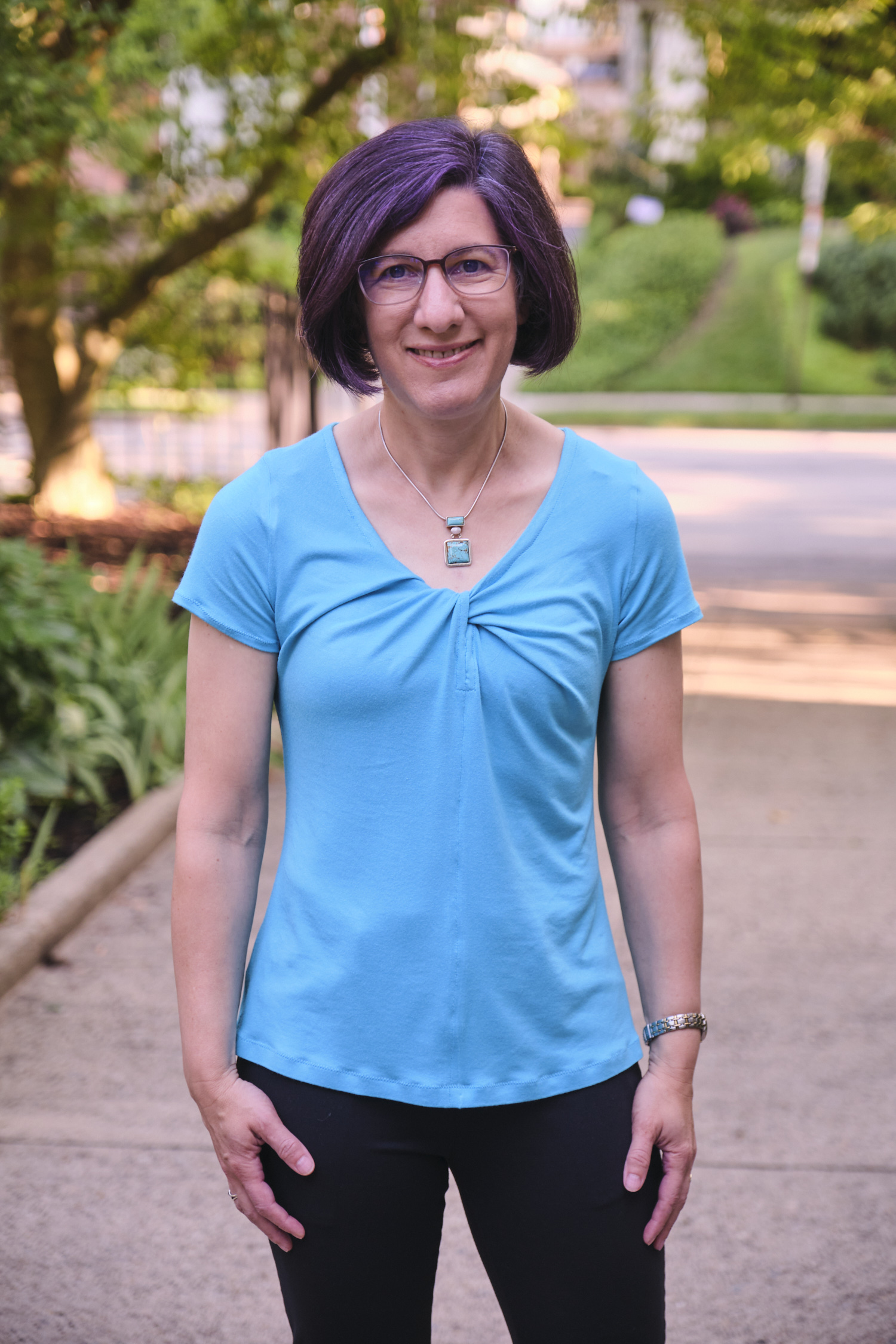
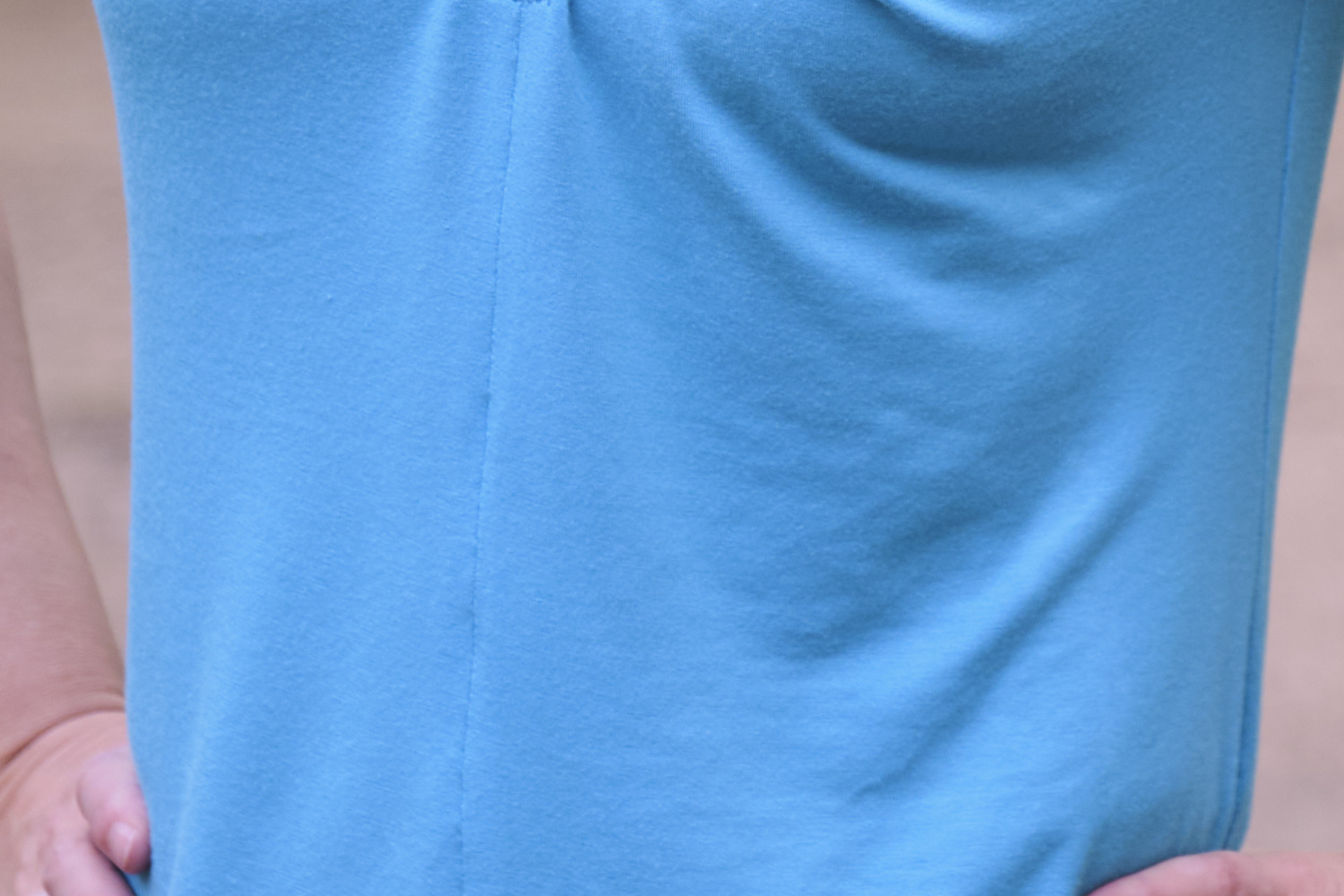
The pattern called for very drapey fabrics, so I selected a medium weight modal-spandex knit in turquoise. This was my first time sewing with this type of fabric. It is soft and stretchy like double-brushed polyester, but more breathable and a little less tightly knit. I think it has less body and a more fluid drape, which makes it a little bit harder to work with, but it is very comfortable to wear and it suited this pattern well.

On Saturday I projected the pattern on my fabric, cut it out, and began to sew. I periodically checked the Facebook group to see what other sewists were working on and their comments on the pattern. One small error on the pattern was caught early on and a clarification posted. There were concerns about a few fit issues, but otherwise people seems to be doing well with this pattern. The completed tops and dresses looked pretty good. I thought about making a dress instead of a top, but decided not to over reach on my first pattern test.

I followed the instructions without too many issues. Doing the twist itself was very easy, in part due to the short video provided with the pattern that demonstrates exactly how to do it. I had some trouble overcasting the flimsy fabric with my sewing machine and contemplated buying a serger. I think I will buy one as soon as I figure out which one. I had some pressing issues, again mostly due to this particular type of fabric, but eventually I got them sorted out. The sleeves were a tad too short and the length was a couple of inches too long. So I used a narrow hem on the sleeves and chopped off some of the length before hemming the bottom. I observed the same problem with the keyhole flopping open as everyone else in the Facebook group, and followed the advice to hand stitch it closed. I posted my feedback and my V1 fit photos. All of these problems have been corrected in the final pattern so you shouldn’t have these any of these problems.

Monday morning Sanna posted her comments on our feedback and her plans for adjusting the pattern. She announced that V2 would soon be available the next day but said it was fine to take final photos of our V1 creations. So I put on my new shirt and asked my husband to snap some photos. When I got home from work I selected my favorite photos and uploaded them. I had a busy week at work and did not have time to make a V2 top, let alone a dress. But I enjoyed watching the Facebook group and seeing the sewists who had time to create several garments from this pattern over the course of the week.

I usually like to wear twistneck tops. I had a couple of ready-to-wear dresses with twistnecks, and found I kept futzing with and repositioning the twist as they never seem to lie perfectly right, and I just can’t leave well enough alone. I have to admit I did my share of futzing with this one as I was sewing it. But once I got it set I let it be and it stayed put. Then my husband washed it and called me over as he pulled it out of the dryer because he thought the twist had gotten messed up. But it happily popped right back into position. I expect with a more substantial fabric it would not have popped out at all. I will probably make more of these some time (maybe in ITY, double-brushed polyester, or cotton lycra). I love some of the results other testers got sewing this pattern with prints. I still love the simplicity and fit of the Bondi top and think that style works better under sweaters and blazers since it is smooth and symmetrical. But Linda is a cute top for wearing on its own that looks more elevated than a basic t-shirt, but is just as comfortable to wear.

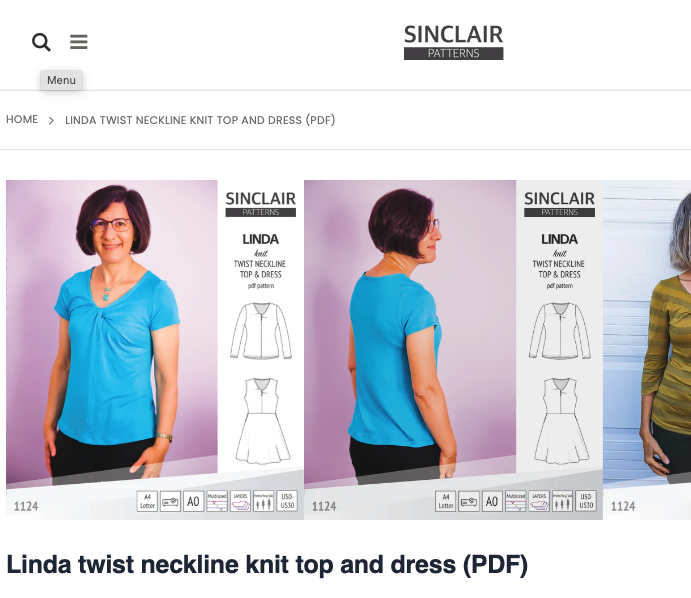
This morning was the pattern launch and I was excited to see that the first two photos on the Linda pattern web page were mine!

It was fun to be a pattern tester and if Sinclair does another test at a time when my calendar is relatively clear I will definitely sign up to do it again. Also, this is such a good excuse for keeping more fabric than I really need on hand… these testing opportunities come up quickly and there isn’t time to shop for more fabric on short notice!